A smallholder coffee farmer in the Rwenzori mountains might have around 600 coffee trees. That can bring in a little over 100 dollars a year. The money usually goes to school fees for the oldest child.
Meanwhile, a latte in Sweden costs six euros.
Lars Pilengrim thinks that gap is unfair, and that coffee is the right tool to do something about it.
How it started
Lars grew up in Ludvika, a small town in the Swedish countryside. When he was 15, his mother opened a café for kids to go to after school. They bought an espresso machine without knowing how to use it. Lars dug in, and coffee has been his life since.
What drew him in was less the bean than the people: how many hands touch coffee before it reaches a cup. He met his business partner Johan, learned to roast and started travelling to producers. Together they run Lykke Coffee Farms.
Why Uganda
Uganda sits on the equator with fertile soil and the same conditions as Kenya, yet its coffee has never had the place it deserves. Lykke fell for the underdog question: can some of Africa's best coffee come from Uganda?
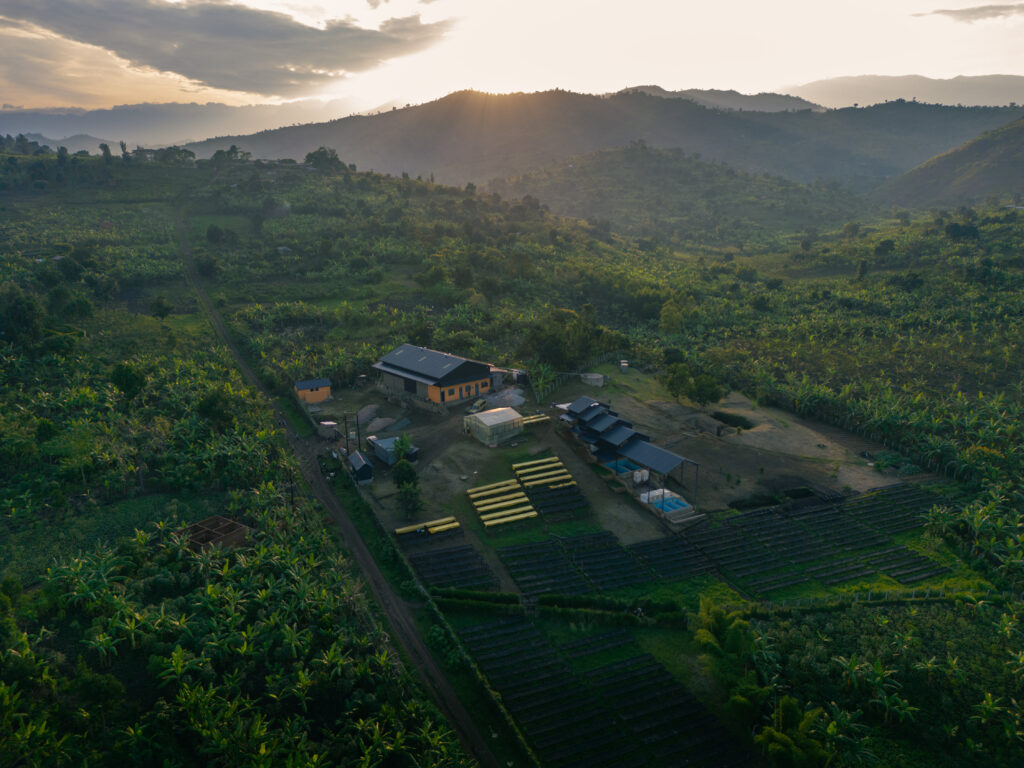
To control quality, they needed their own washing station, where fresh cherries are processed into exportable green beans. A Swedish bank would have laughed at a loan for land in rural Uganda. So they found a partner with a shared interest instead, the development organisation We Effect, with Lykke as the buyer that connects the farmers to the market.
Then the pandemic shut the country down for a year and a half. When building finally started, the man with the only excavator raised his price from one to eight million shillings overnight. They hired more than 200 local people to dig out the site by hand instead.
The station, run by Lykke's local company Lunar, can serve up to 3,000 farmers.
Working with the farmers
Lykke's agronomists train young coffee scouts chosen by their communities. Each scout works with up to 100 farmers on pruning, soil conservation and harvesting. Some farmers have doubled, tripled or quadrupled the yield from the same trees. A special focus is on women, who often do the work in a business traditionally owned by men.
Buying directly, without middlemen, means the price per cherry lands with the farmer. Lars's advice for coffee drinkers is short: drink less coffee, and pay more for the coffee you drink.
Knowledge really is power. Whatever farmers are able to learn, they are not going to unlearn it tomorrow.
Why I made this film
Coffee is the poison I pick. I had never thought about where it comes from until I started talking to Lars.
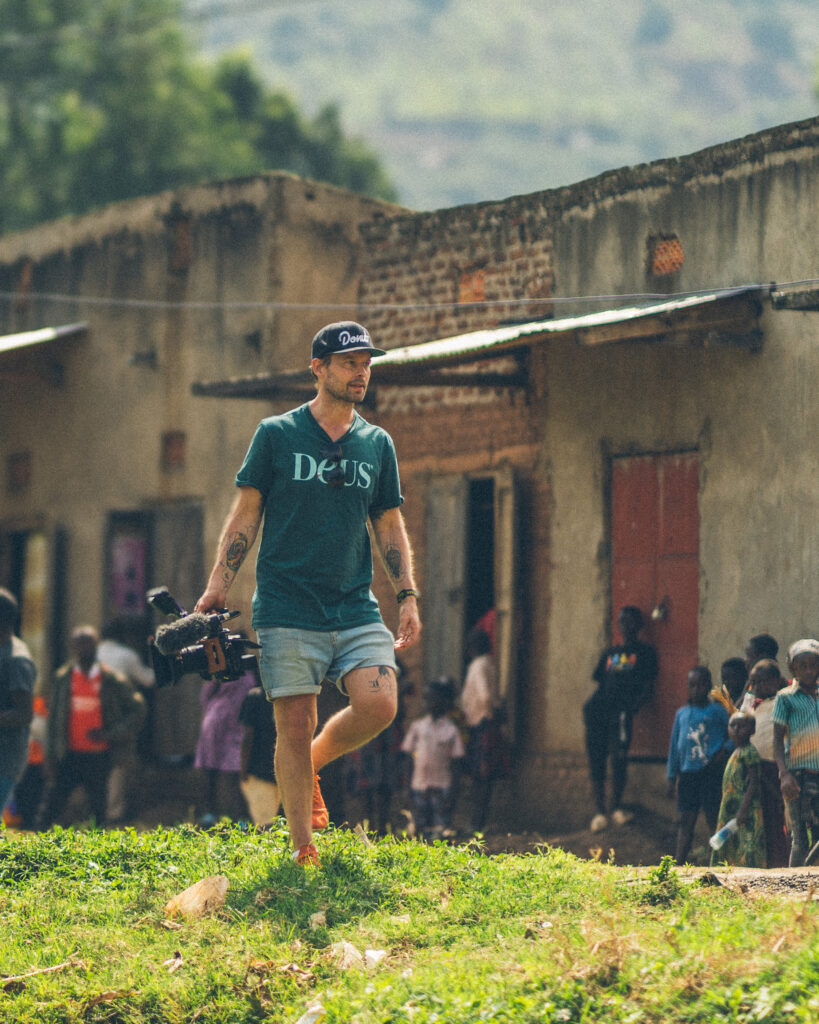
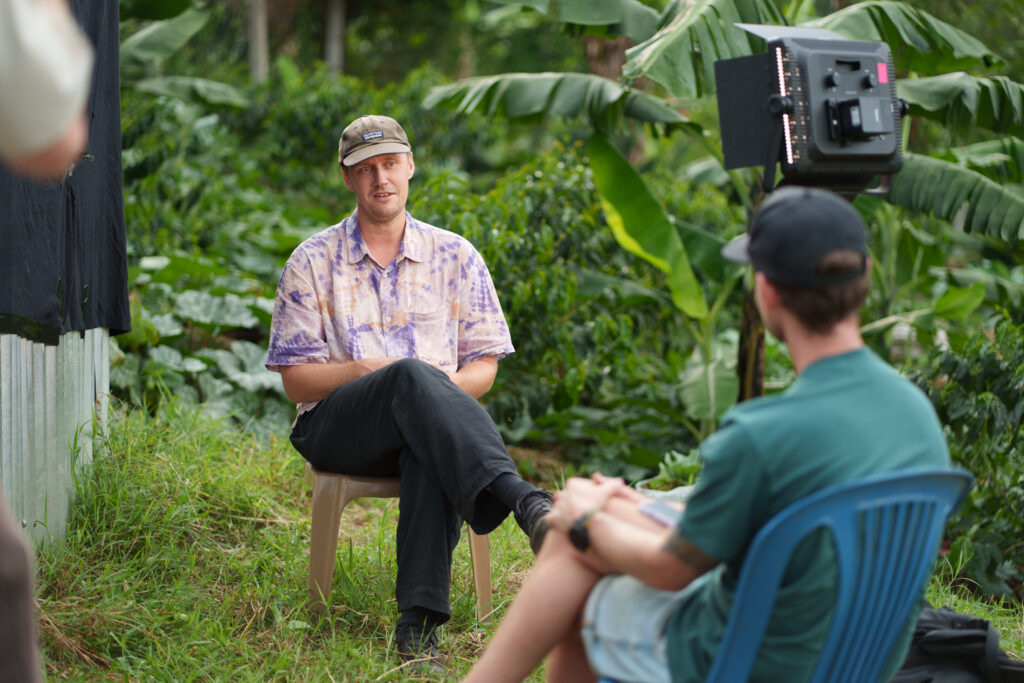
Lykke paid for the trip to Uganda. The story was mine to tell the way I wanted. I travelled with Isak Friberg, the Ugandan filmmaker Deo Kuset and our driver Daniel, deep into the Rwenzori range, the Mountains of the Moon, on what locals call the dancing roads.
I still take my morning coffee a bit for granted. Habits don't change that fast. But I value every cup differently now.
Read the original article about the trip.
The question this film answers: how do you design work intentionally?