The future of coffee is being tested in Brazil
Coffee is one of those things I think most of us have learned to take for granted. We wake up, we make it, we drink it, and we move on with our day. It feels ordinary, almost too ordinary to question. But the more time I spend around coffee farms, the harder it becomes to see coffee as something simple.
Last year, I went to Uganda to make a documentary about coffee and the people behind it. That trip opened my eyes to the work, pride, inequality and complexity hidden inside something I drink almost every day. I came home with a much deeper respect for coffee, but also with the feeling that I had only seen one part of a much larger story.
So when I got the chance to travel to Brazil with Lykke Coffee Farms, I wanted to understand the next part. Brazil is the biggest coffee producing country in the world, which means that what happens there affects coffee everywhere. If Brazil has a good harvest, the market feels it. If Brazil struggles with drought, frost, heat, unpredictable rain or lower yields, that eventually reaches the rest of us too.
This documentary follows Felipe Croce, a Brazilian coffee producer, exporter, roaster and systems thinker who is trying to prove that the future of coffee depends on changing the way we grow it.
Meeting Felipe Croce
Felipe is not just a coffee farmer. That would be too small of a description. He is part of Fazenda Ambiental Fortaleza, often called FAF, a family farm in Mococa, São Paulo, that has become an important reference point for organic, sustainable and regenerative coffee in Brazil.
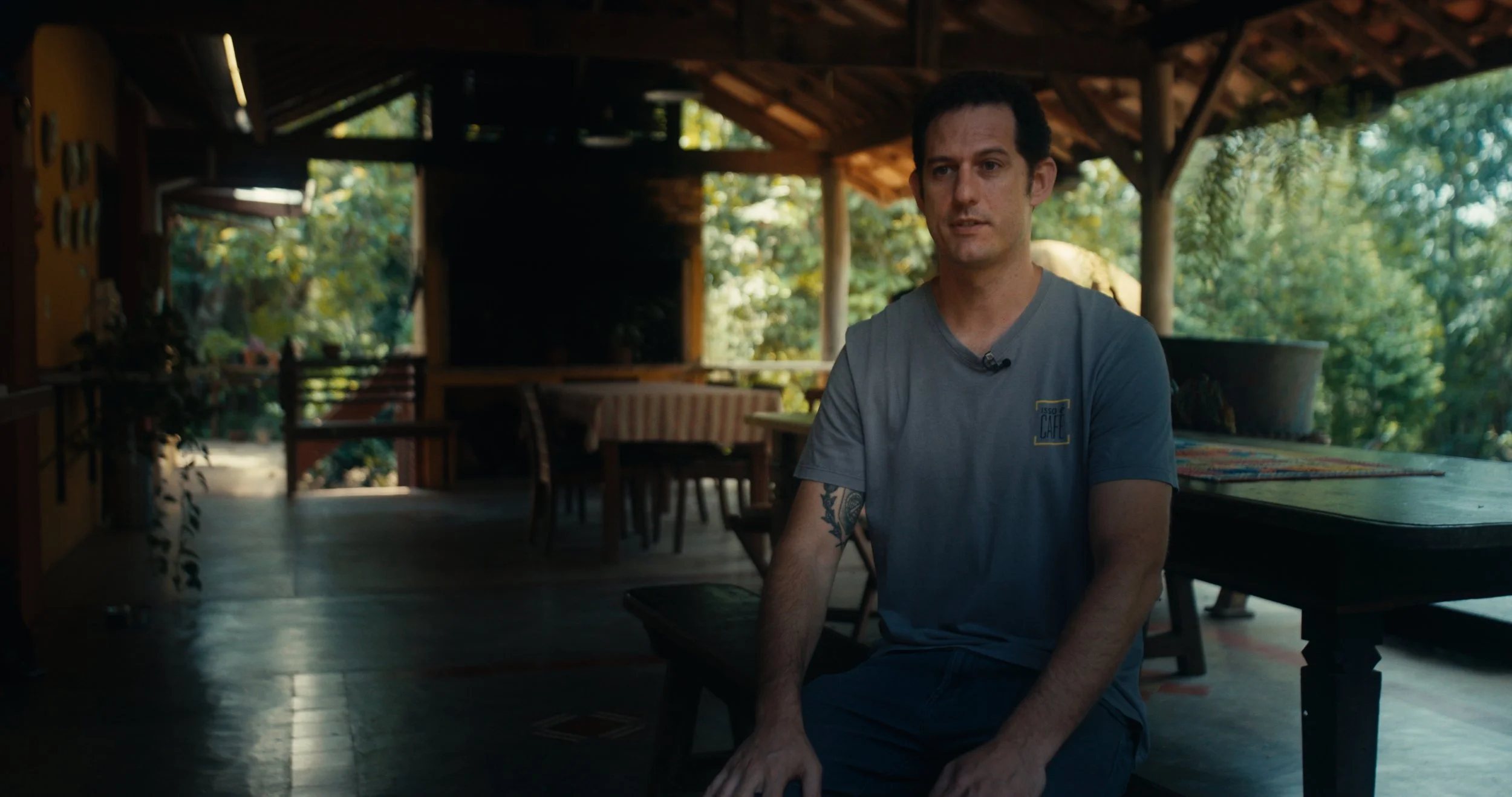
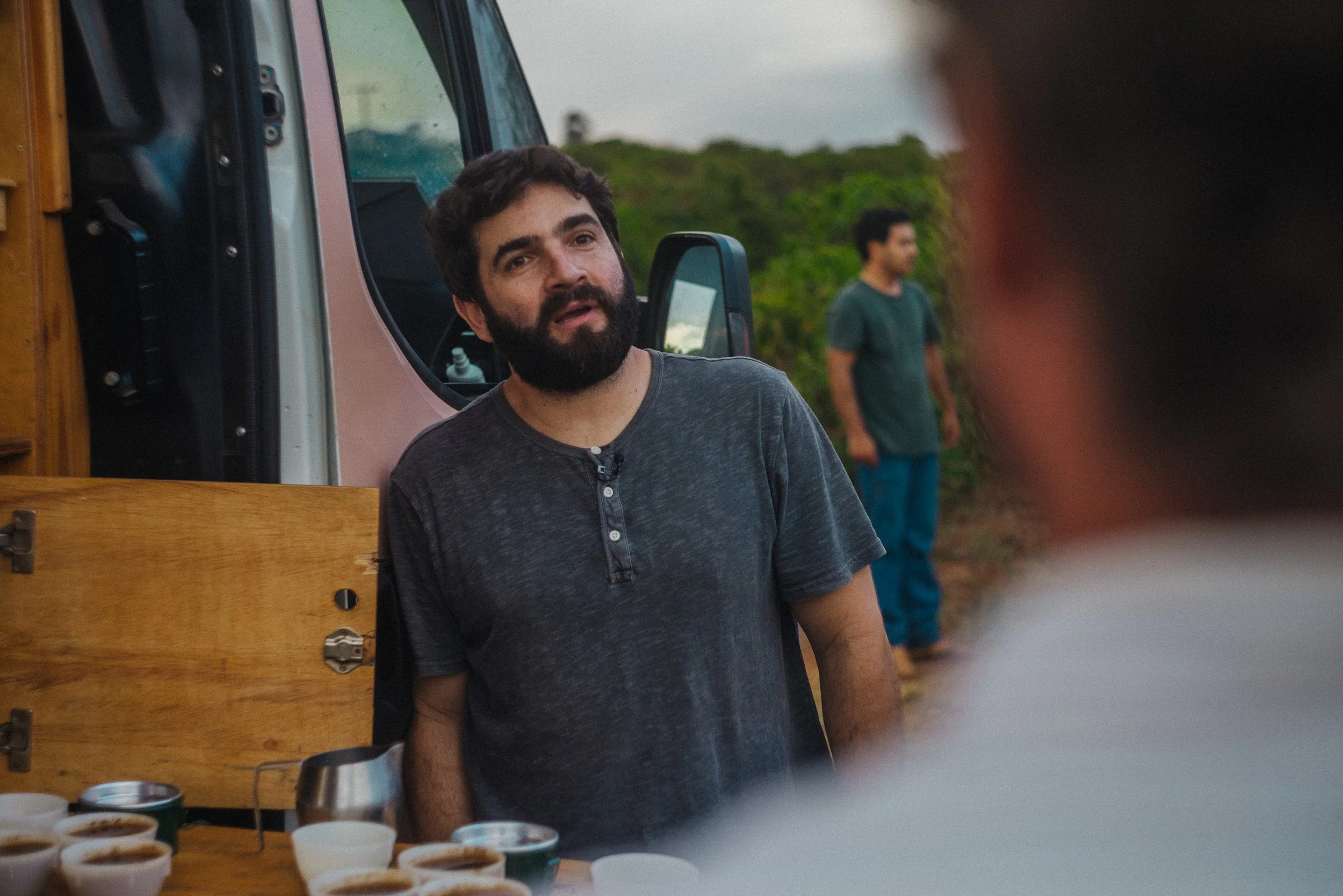
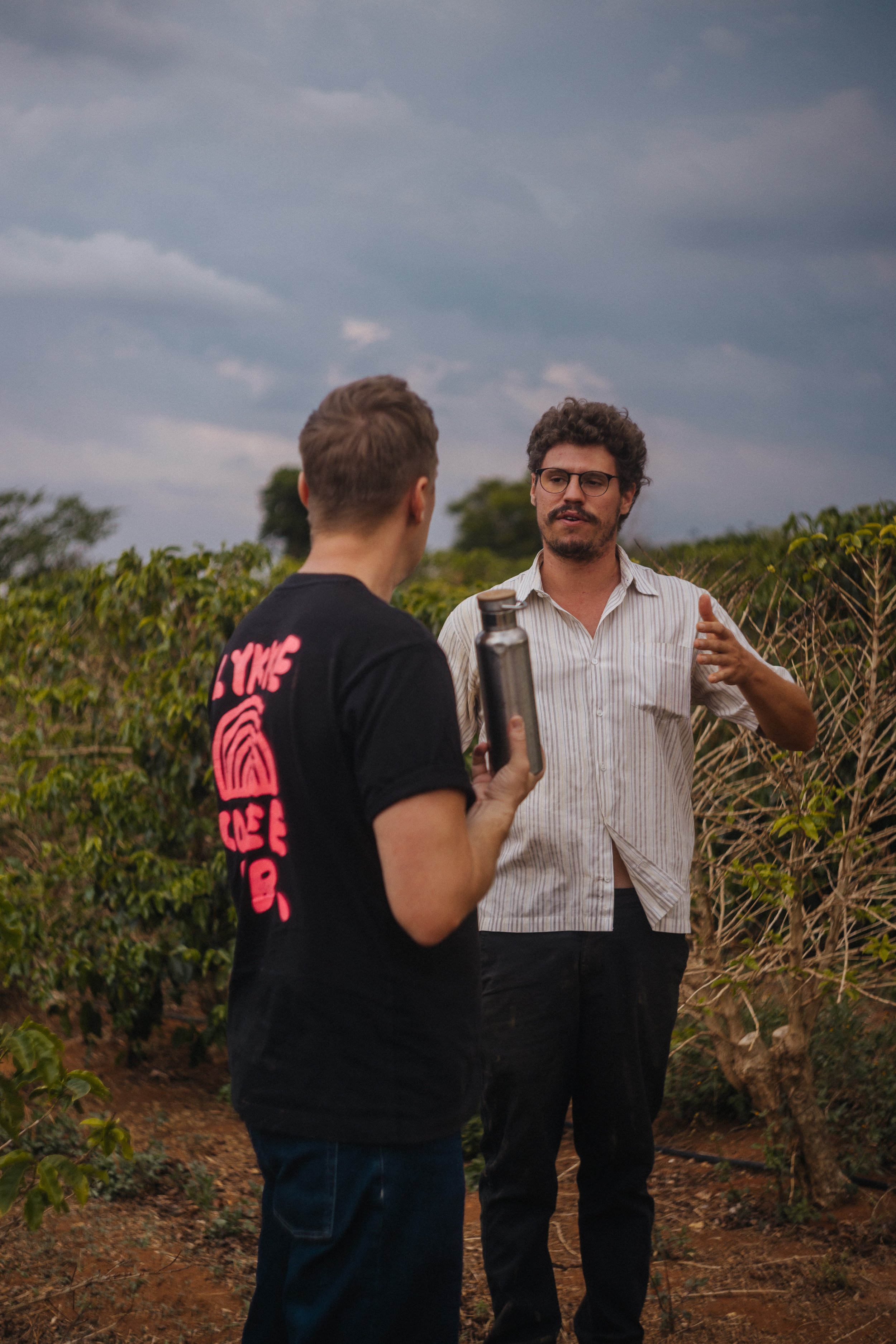
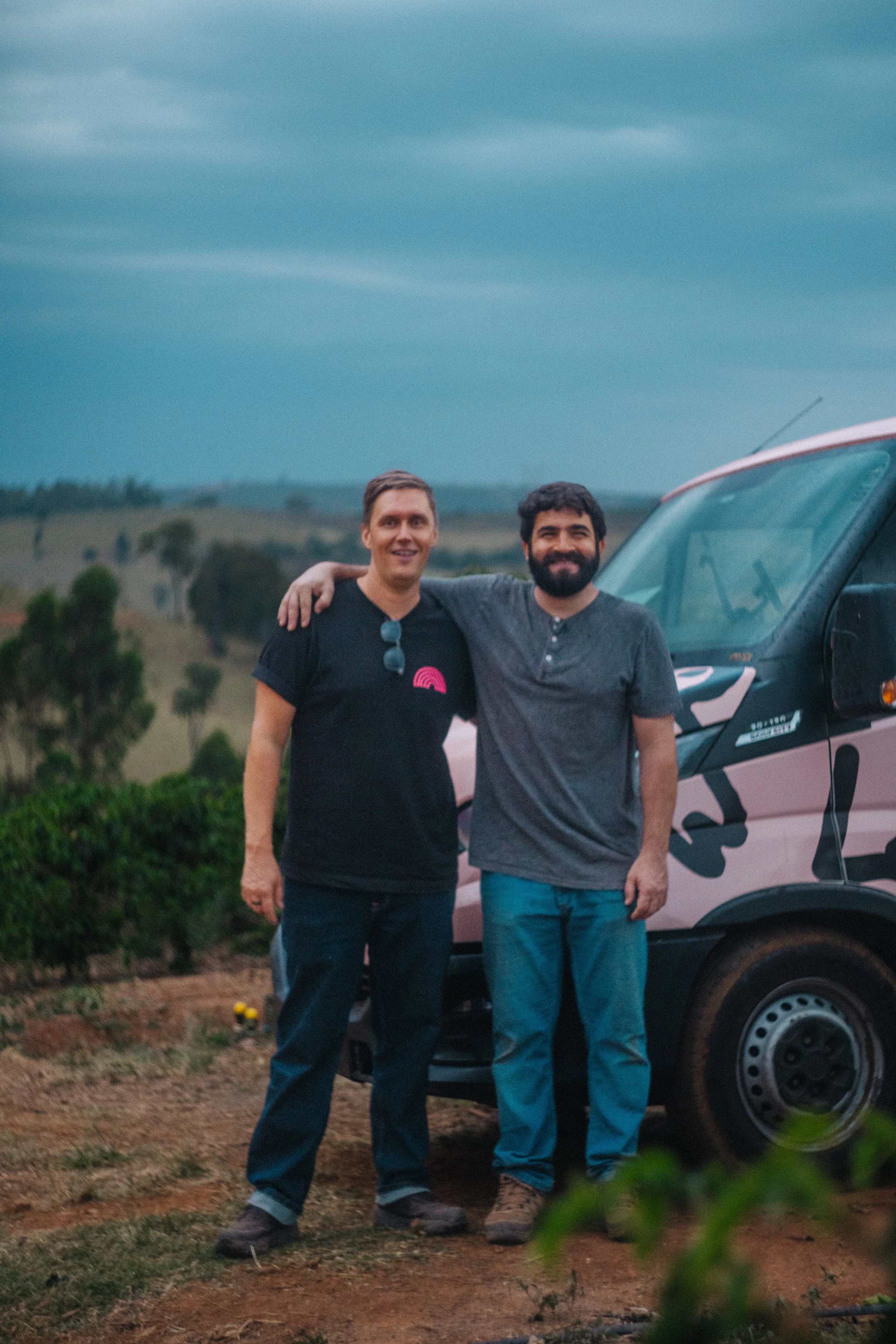
Felipe Croce at FAF Fazenda Ambiental Fortaleza (Environmental fortress farm)
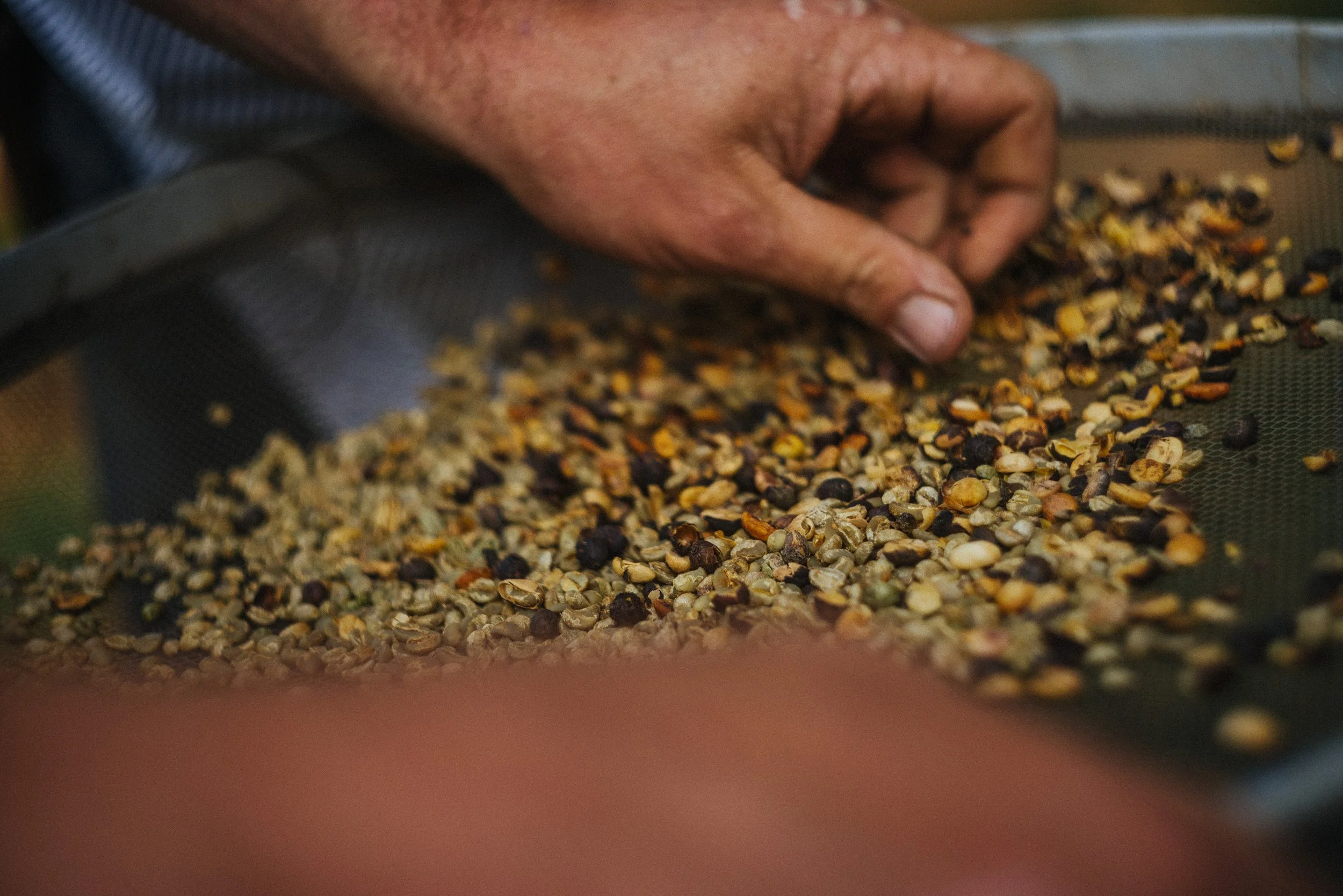
Arabica green beans being sorted, just about to be roasted.
What makes Felipe interesting to me is that he seems to move between different worlds inside coffee. He understands the farm, the soil, the varieties, the weather and the production. But he also understands export, roasting, cafés, consumers, culture and the business language of coffee. That combination matters because the future of coffee will not be changed by one part of the chain alone.
A farmer cannot carry the whole transition. A roaster cannot solve it with better branding. A consumer cannot fix it by choosing one label in a supermarket. The system has to move together, and Felipe’s work sits right in the middle of that tension.
He is trying to bring the parts closer together: farm production, export, roasting, cafés, knowledge, relationships and taste. Not because it makes for a nicer story, but because separation is part of the problem. When farmers are disconnected from the final cup, when consumers are disconnected from the farm, and when the market rewards volume more than care, it becomes very hard to build a coffee system that can survive the future.
The problem with how coffee is grown
The scary version of this story is that Arabica coffee is under real pressure. Rising temperatures, drought and changing weather patterns are already making coffee farming more difficult in many parts of the world. In the film, we talk about the prediction that by 2050, there may be far less suitable land available for growing Arabica coffee.
That sounds abstract until you stand in a dry coffee field in Brazil and feel the heat yourself. Then it becomes very practical. You see coffee plants struggling in full sun. You see the difference under a shade tree. You hear farmers talk about waiting for rain, losing parts of their harvest, and trying to plan for a future that is becoming harder to predict.
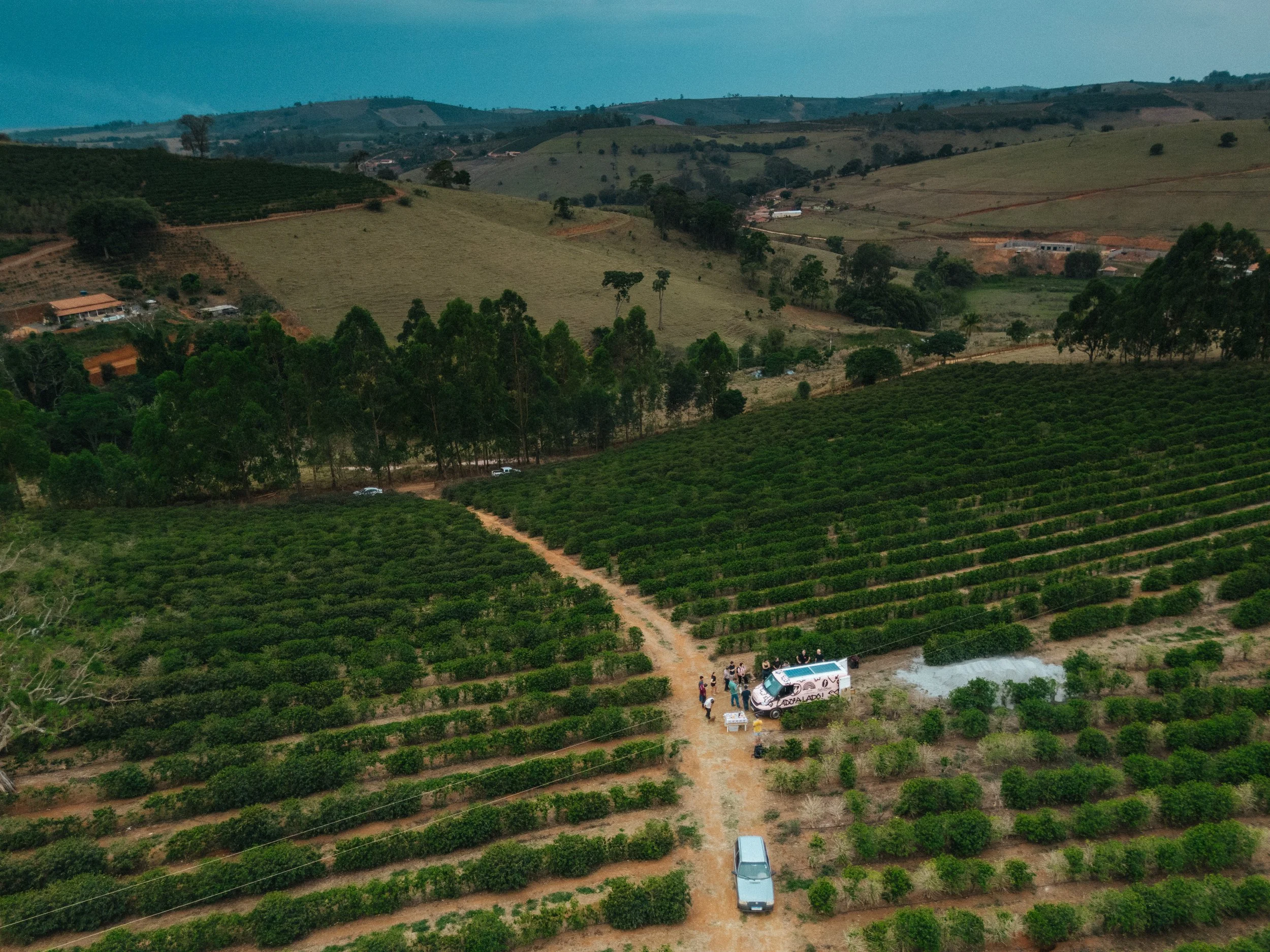
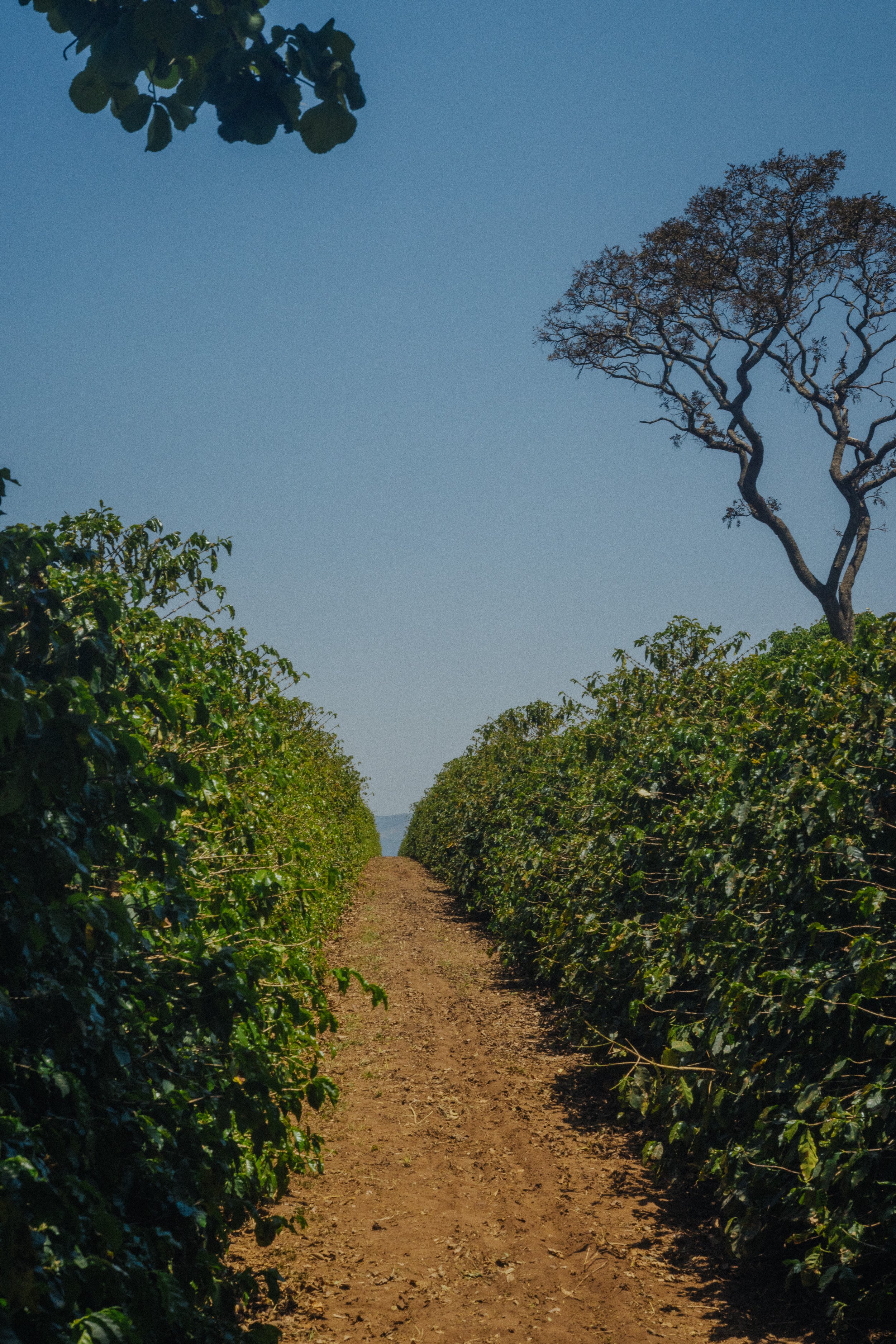
Brazilian coffee farming is impressive in its scale and efficiency. There are places where coffee fields seem to go on forever. But that efficiency often comes from a system built around open sun, mechanization, synthetic inputs and very little room for trees, shade or biodiversity. It is a system designed to produce a lot of coffee, but not necessarily to protect the living conditions that coffee depends on.
That is the central tension in the film. Coffee has become a global habit, but the system behind it is more fragile than it looks.
What Felipe is trying to change
Felipe’s work points toward a different way of thinking about coffee. Instead of treating the farm like a factory, the idea is to treat it like a living system. That means healthier soil, more shade, more biodiversity, more organic matter, more microorganisms, better water management, and a farming model that can handle heat and drought better over time.
Some of this sounds technical, but the basic idea is easy to understand when you see it. A coffee plant standing alone in open sun is exposed. The soil dries out. The heat becomes extreme. The plant gets stressed. But under shade, with more organic material covering the ground and more life in the soil, the whole environment changes.
This is not about making coffee farming look pretty. It is about survival, resilience and quality. If the climate becomes hotter and less predictable, the farms that can hold moisture, protect their soil and create more stable microclimates will have a better chance.
The difficult part is that this transition takes time. Changing from conventional production to regenerative coffee farming is not a quick fix. It can take years. It requires knowledge, money, trust and patience. It also requires buyers and consumers who understand that if they want better coffee in the future, someone has to support the people taking the risk today.
Vanessa and the human side of the transition
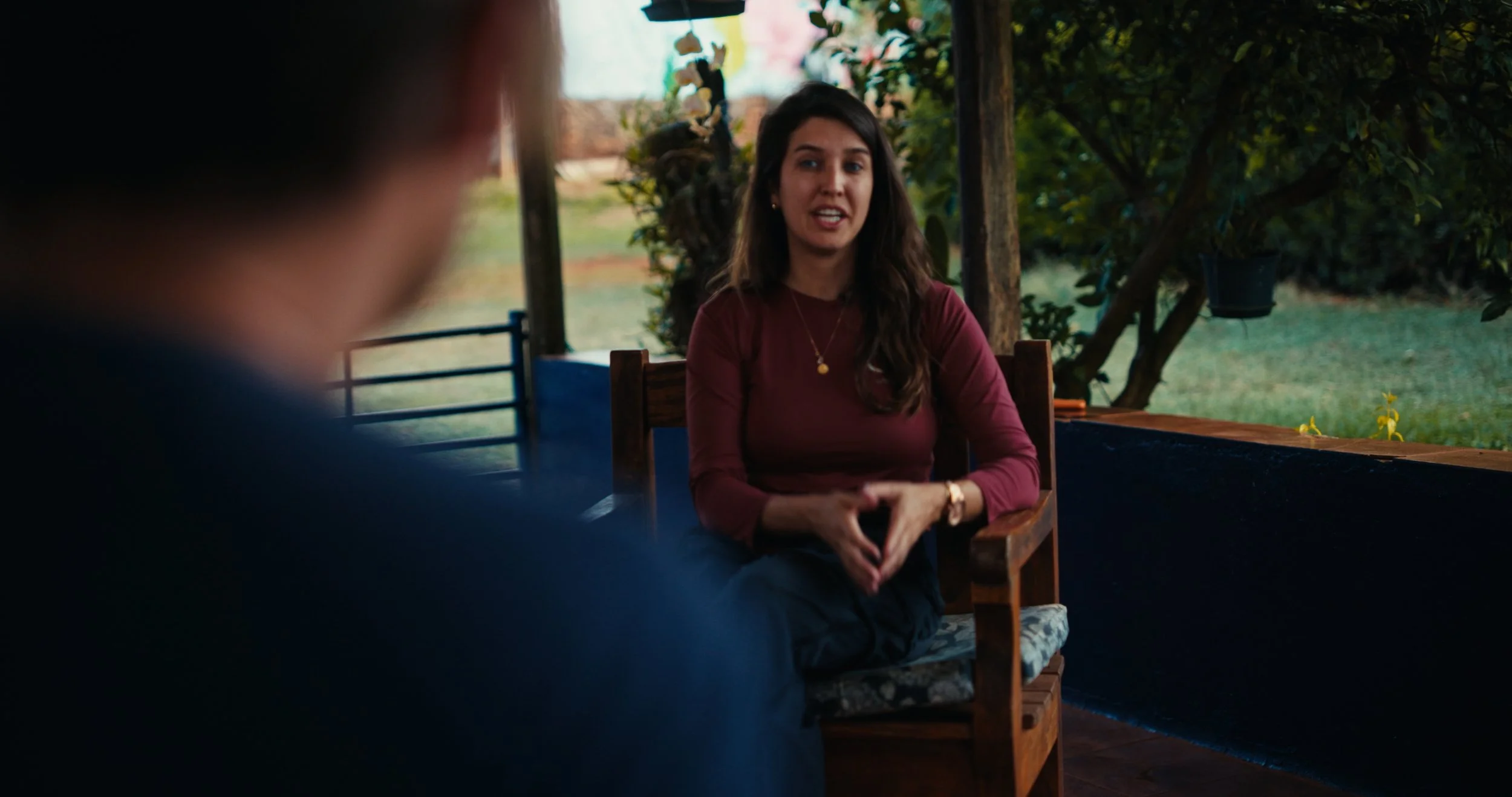
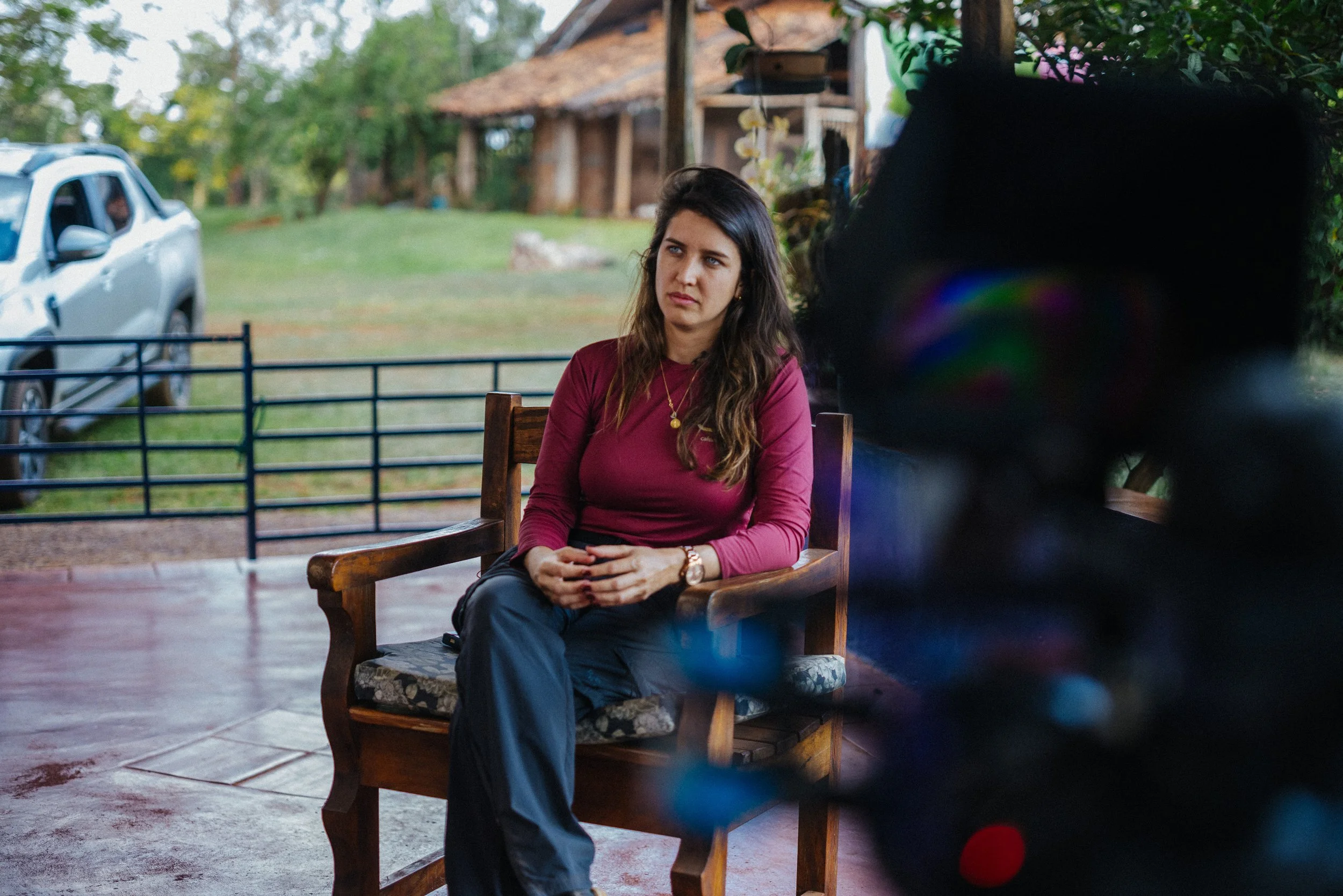
One of the people we meet in the film is Vanessa, a coffee farmer in Minas Gerais. She used to work as a lawyer in São Paulo, but during the pandemic she came back to her family farm and started working full time with coffee.
Her story stayed with me because it felt so personal. She talked about loving nature, planting more trees, protecting water, improving the soil, and worrying about the future. She also talked about the resistance that comes when you try to do things differently. Trees can get in the way of machines. Organic material takes time. Other farmers may not understand why you are changing something that still seems to work.
That is what I found interesting. The solution is not a perfect label on a bag of coffee. It is people making decisions in real places, under real pressure, with real costs and trade-offs.
Vanessa becomes one example of the bigger shift Felipe is trying to encourage. Farmers are not simply waiting for someone to save them. Many of them already see the problem. They feel the heat, the dry soil, the unstable seasons and the uncertainty. But knowing that change is needed is not the same as having the support to make it happen.
Coffee needs relationships, not just certifications
One thing I kept coming back to during this film is that coffee needs better relationships. Not just better words. Not just better marketing. Not just another badge on a package.
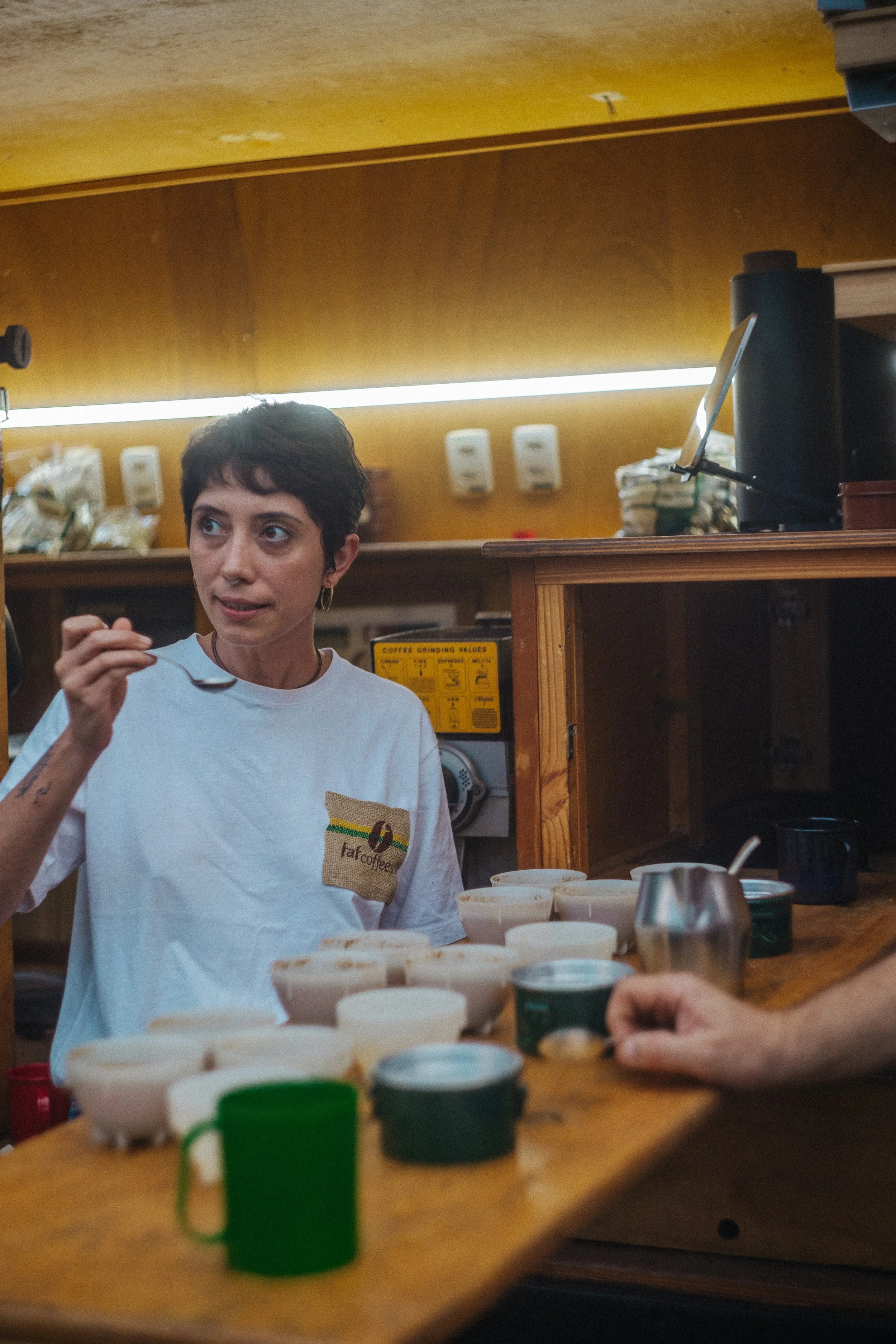
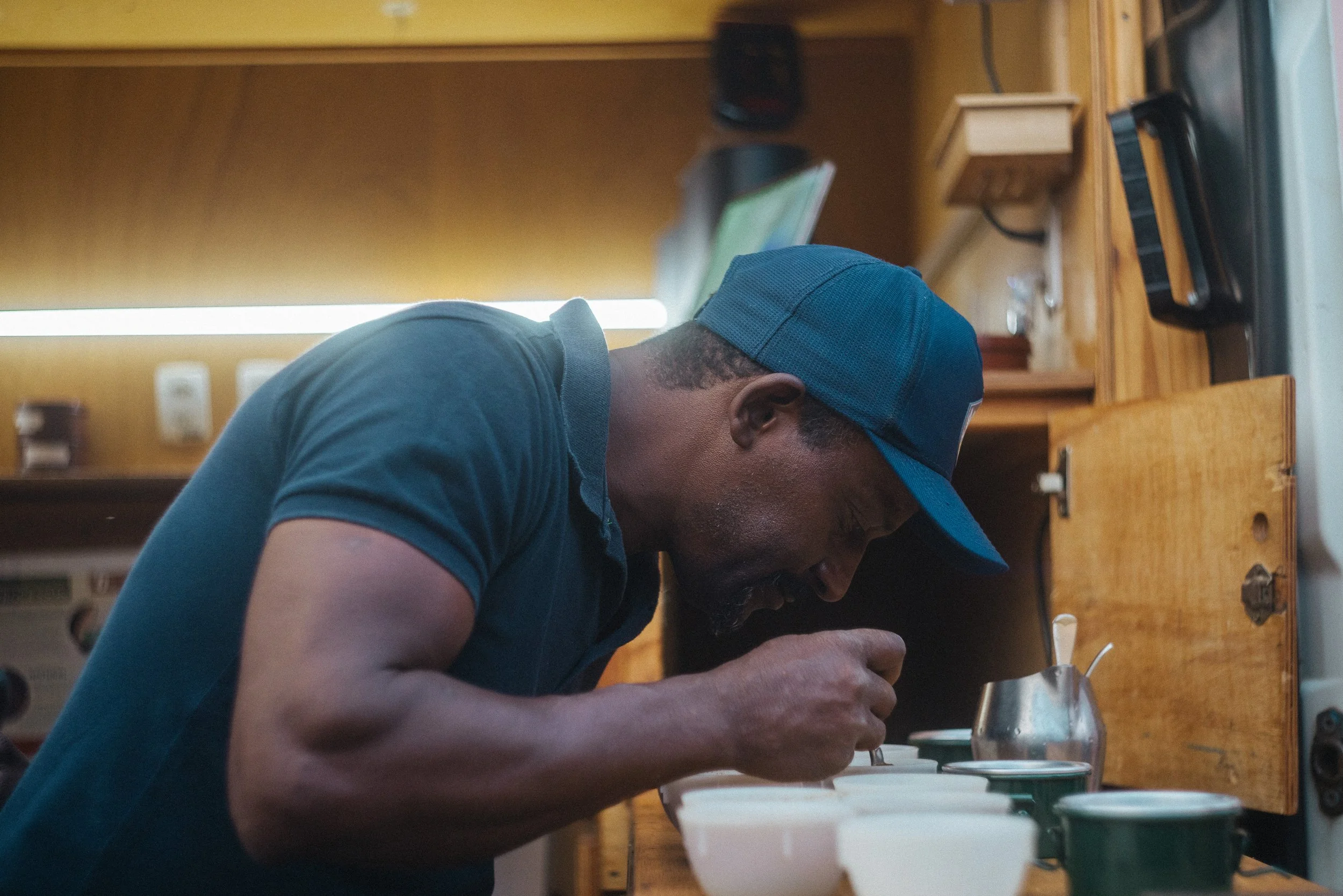
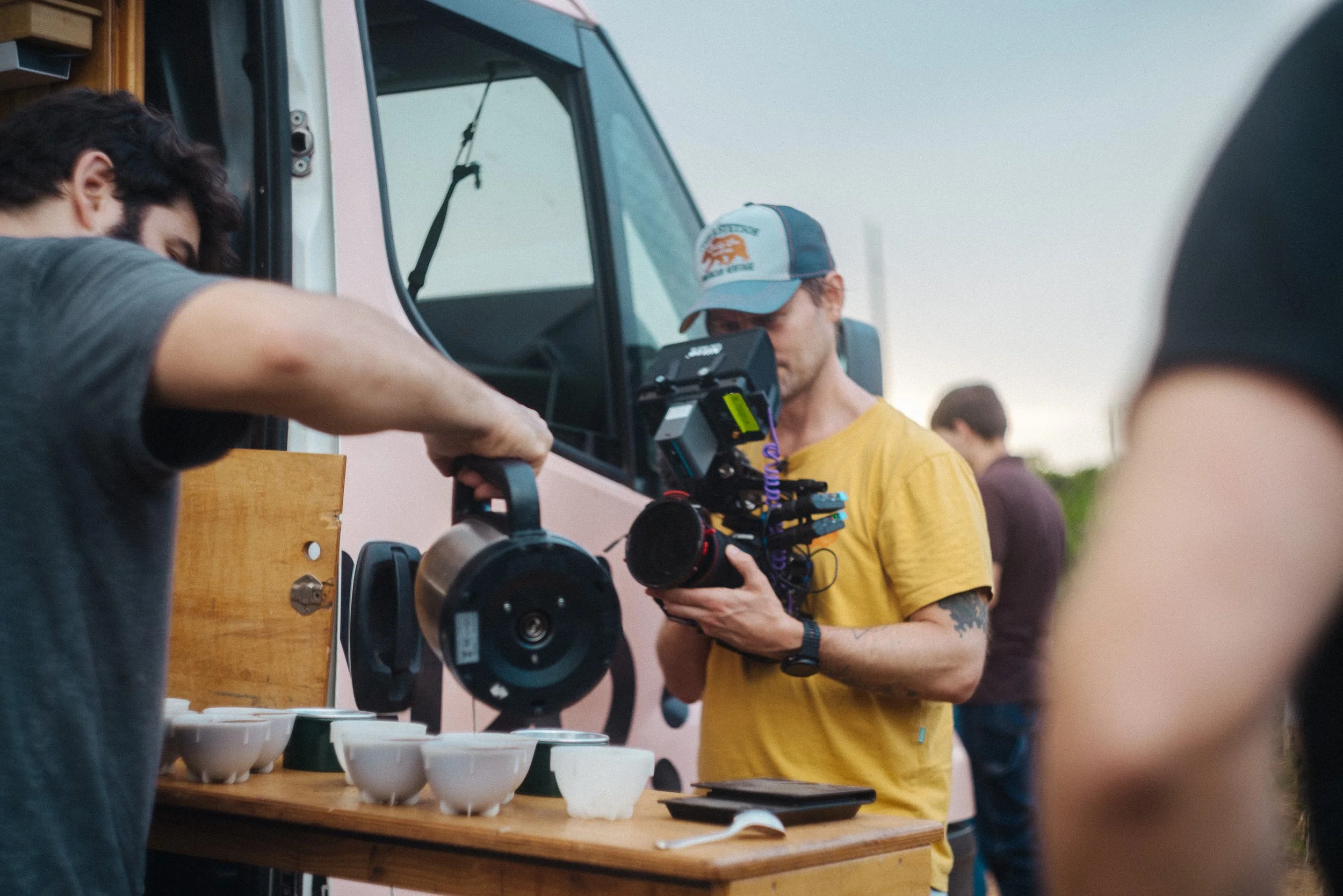
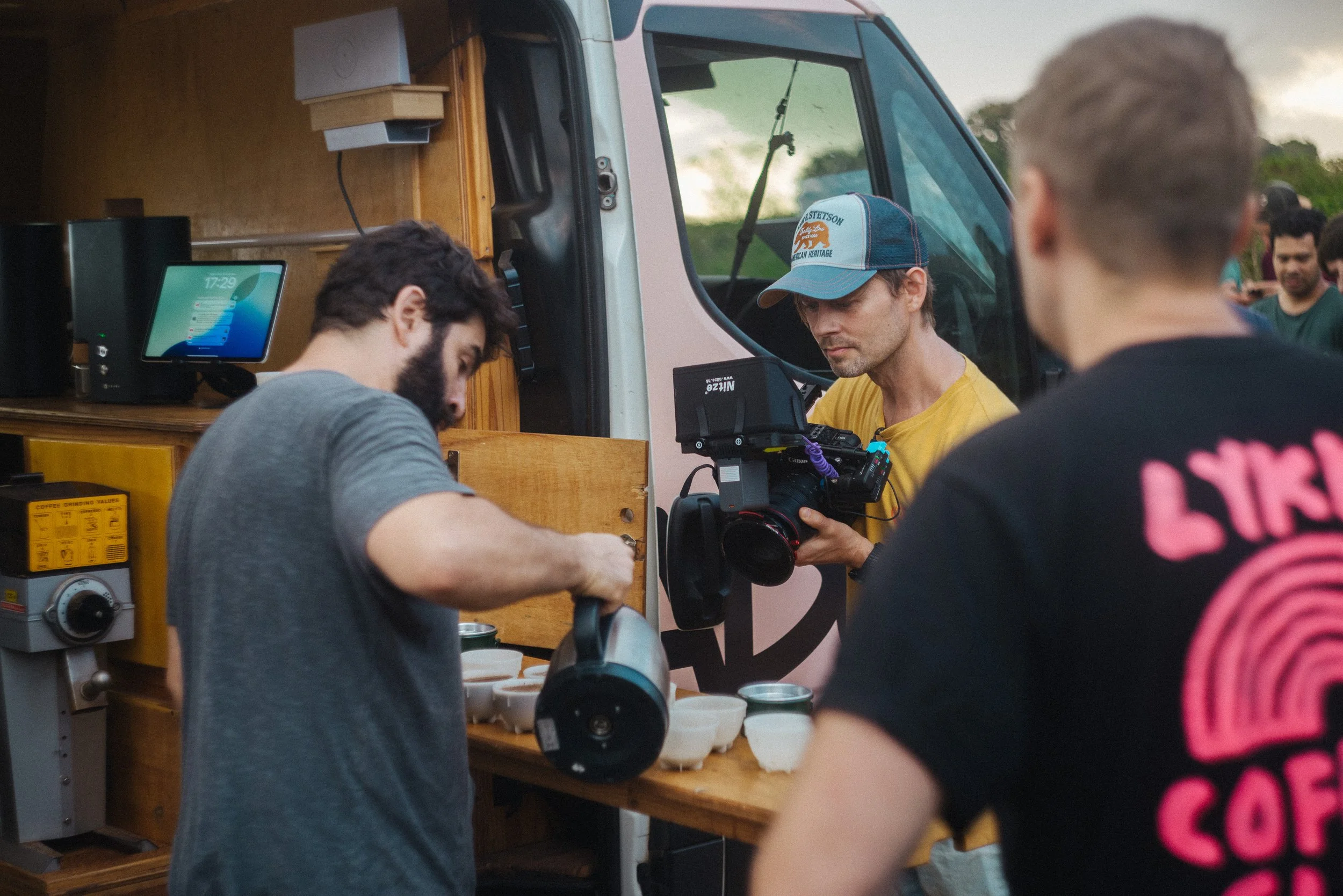
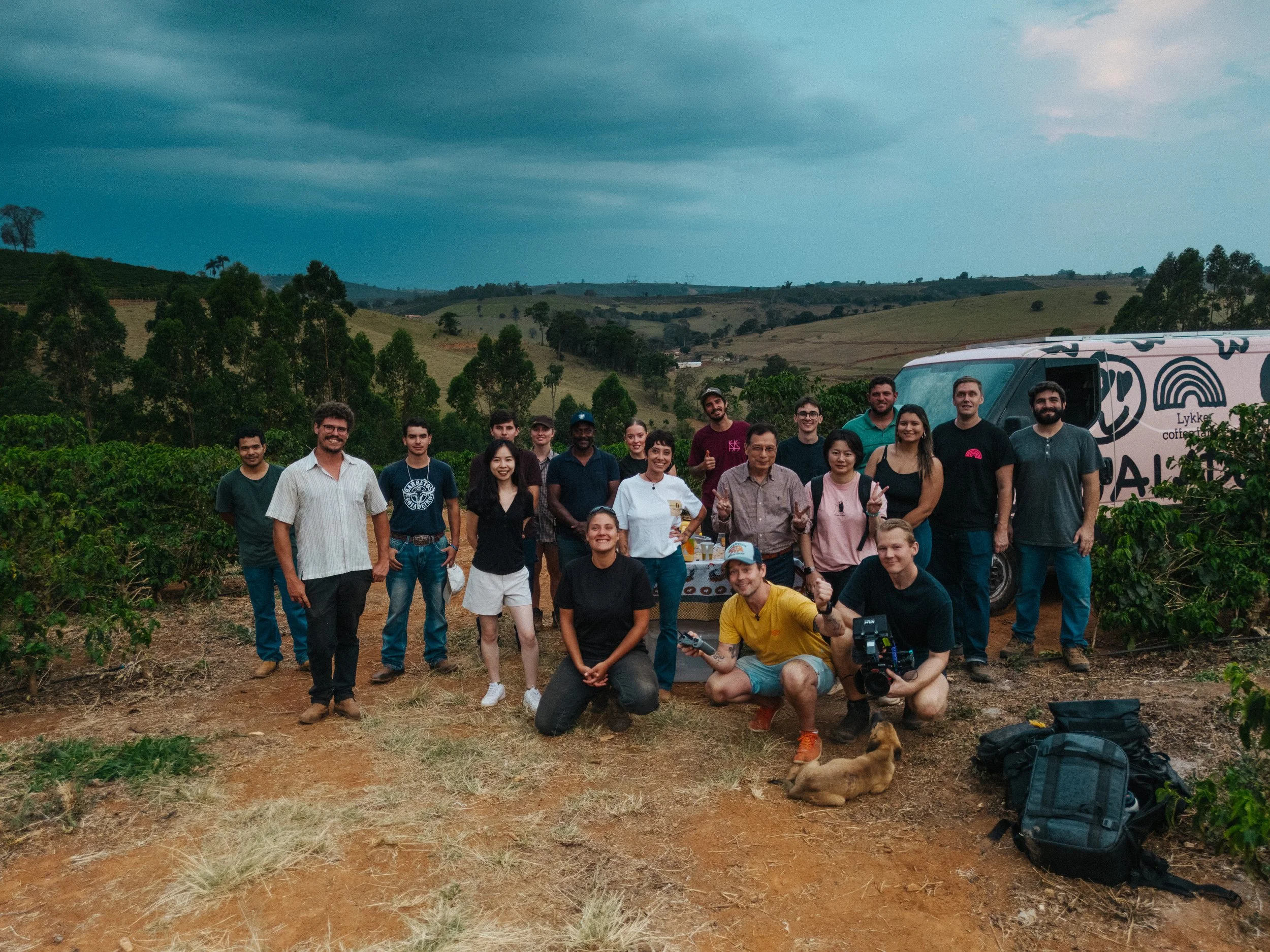
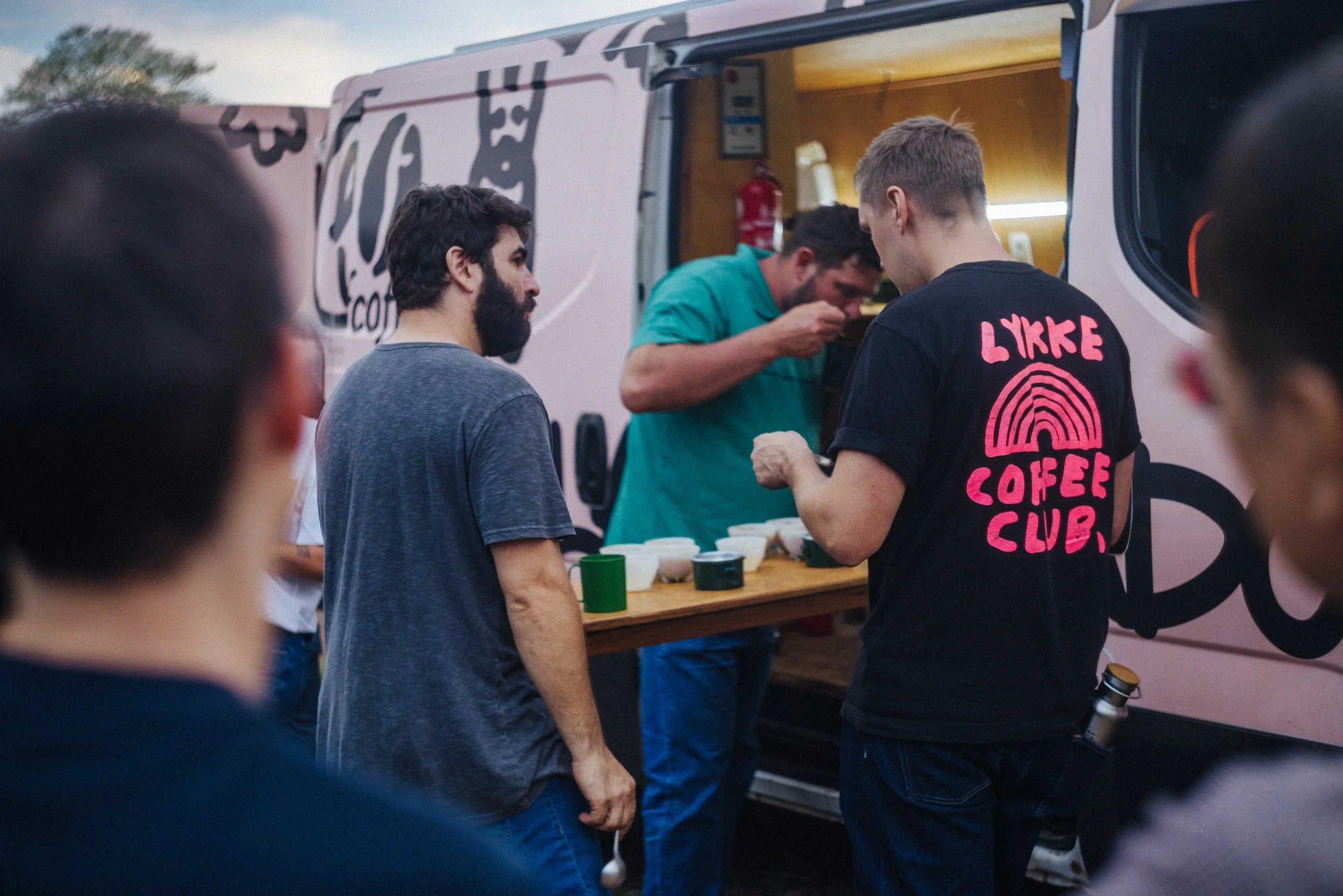
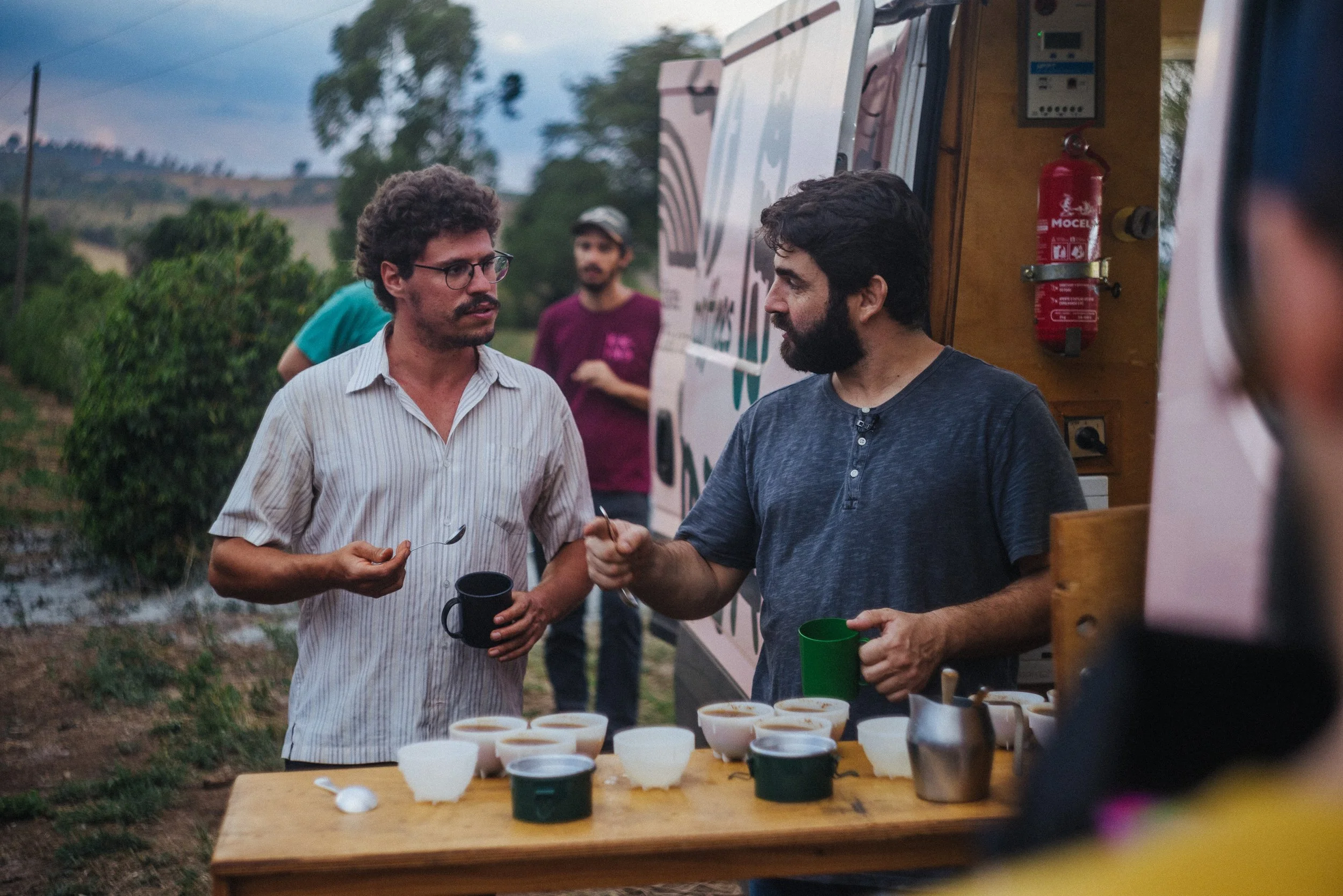
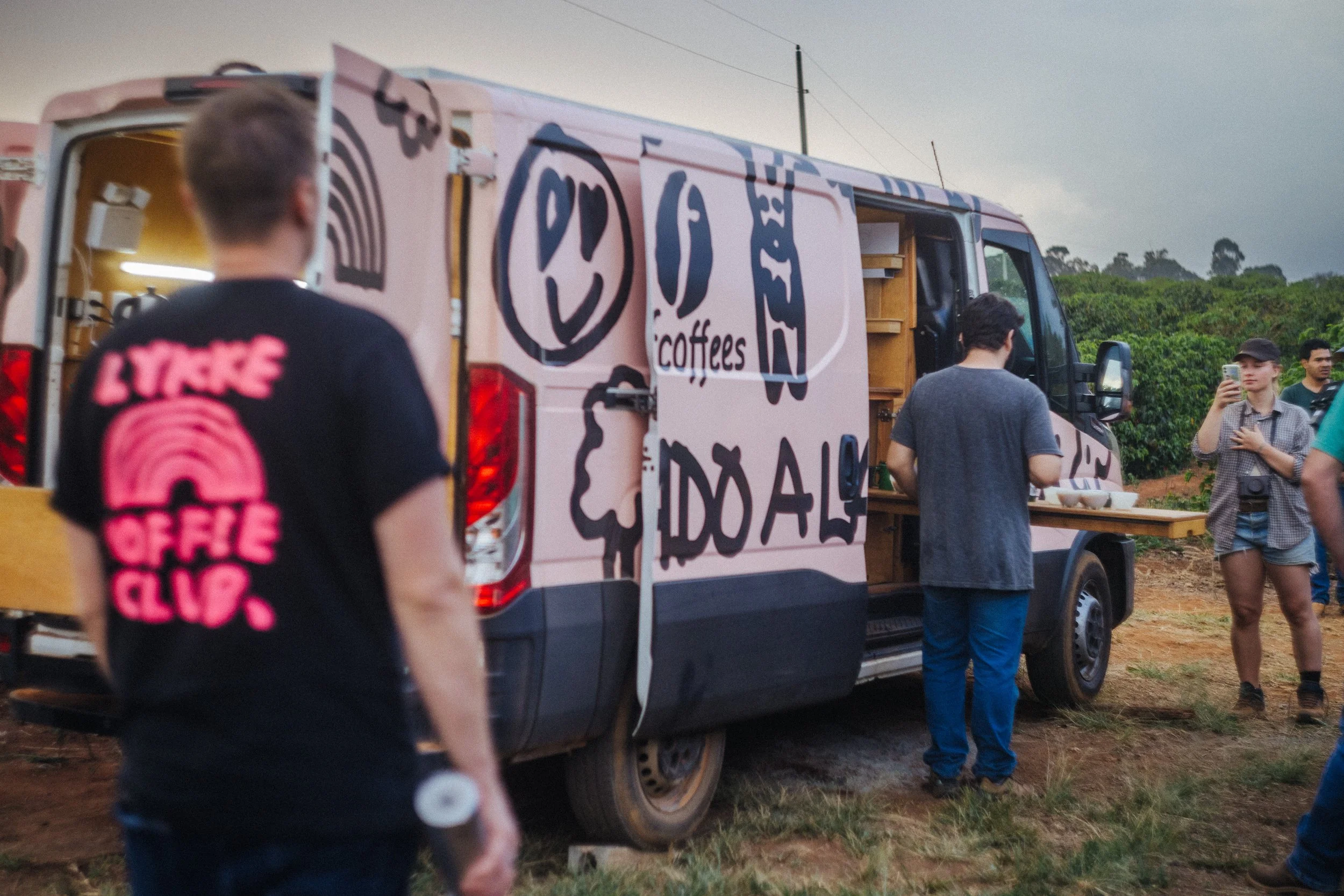
The mobile cupping van in the film became a clear example of this. Instead of farmers sending their coffee away and waiting for feedback weeks later, the lab comes to them. Farmers taste their own coffee. They taste their neighbours’ coffee. They talk about quality, process, defects, flavour, drying, sorting and what can be improved.
That might sound like a small thing, but it changes the relationship. Suddenly the farmer is not just a supplier of raw material. They are included in the conversation about quality. They can taste the result of their work. They can feel pride in it. They can learn from each other.
This matters because the future of coffee is not only a climate question. It is also a knowledge question, a power question and a relationship question. If information and opportunity stay concentrated in the hands of a few people, the system will keep reproducing the same problems. If farmers get better access to knowledge, markets and feedback, change becomes more possible.
The problem with cheap coffee
Cheap coffee is not really cheap. Someone or something is paying the difference.
Sometimes it is the farmer. Sometimes it is the soil. Sometimes it is the water. Sometimes it is biodiversity. Sometimes it is future generations who inherit a system that has been pushed too far for too long.
That does not mean the answer is as simple as telling everyone to pay more. I know people are already dealing with rising costs everywhere. But I do think we need to start valuing coffee differently. Not as an endless commodity that should always be available at the lowest possible price, but as an agricultural product grown by people, in a changing climate, under increasingly difficult conditions.
If we want good coffee in the future, we need farming systems that can survive the future. That means healthier soil, more shade, more biodiversity, more long-term relationships with farmers, and more consumers who understand that a cup of coffee is connected to a much bigger story.
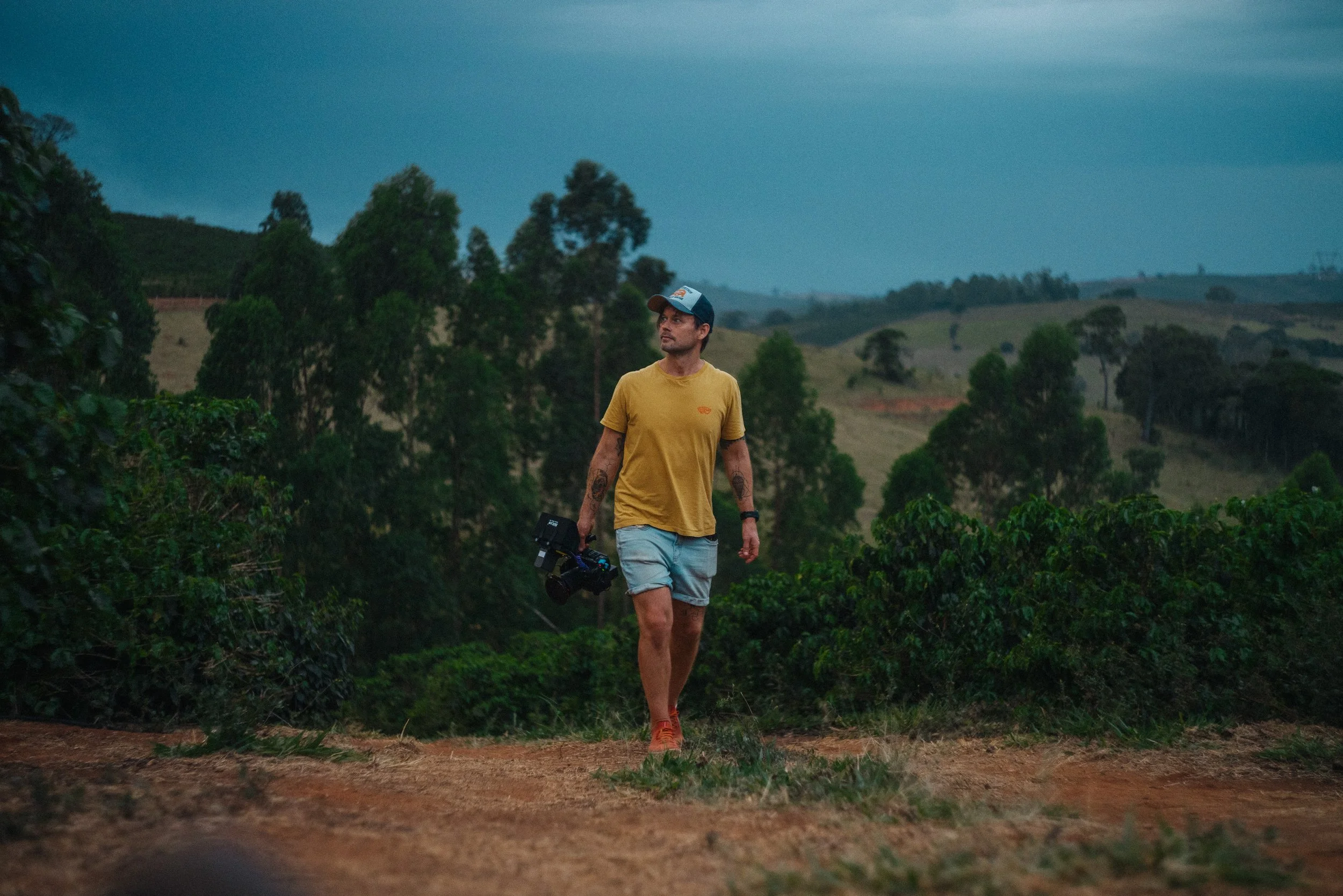
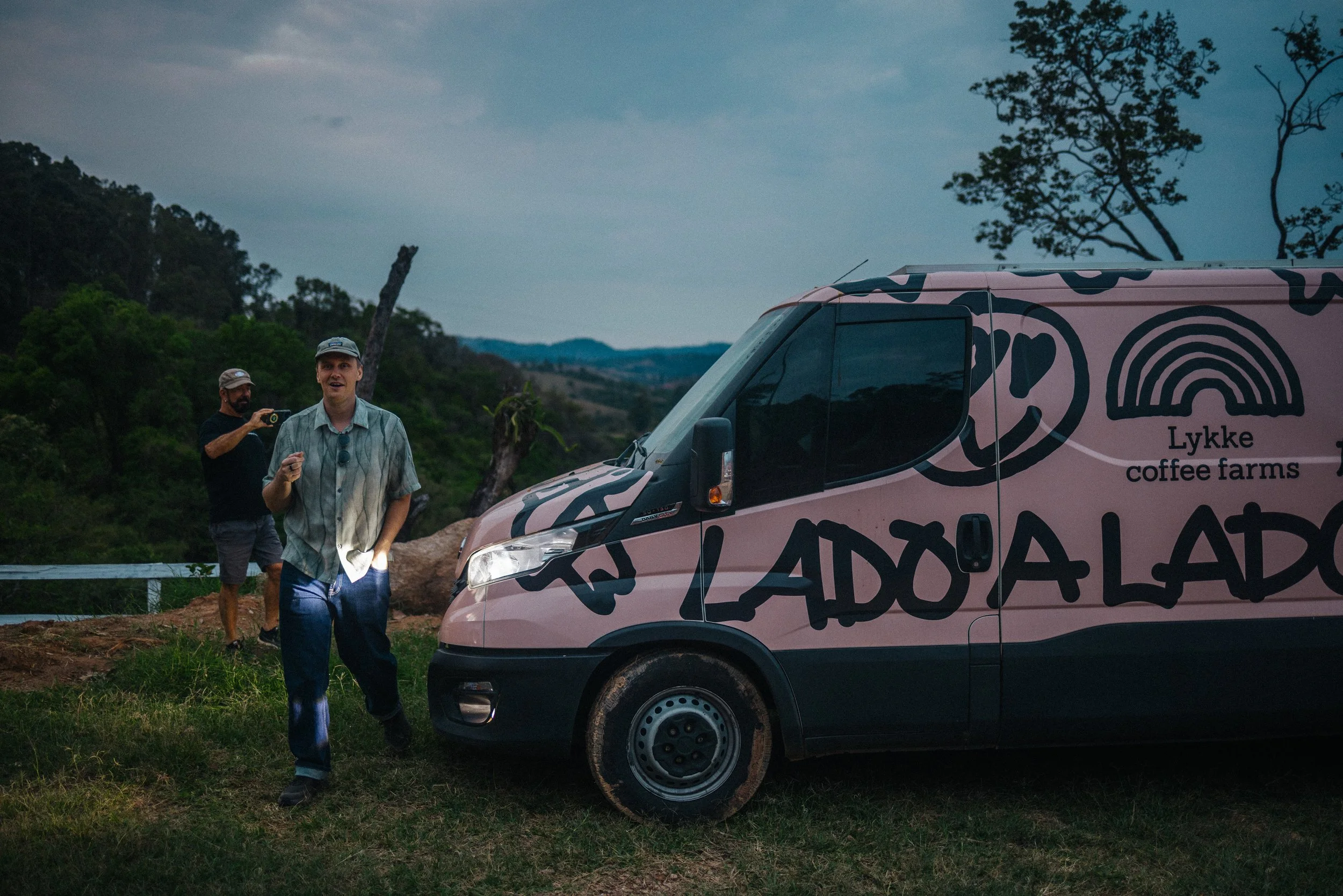
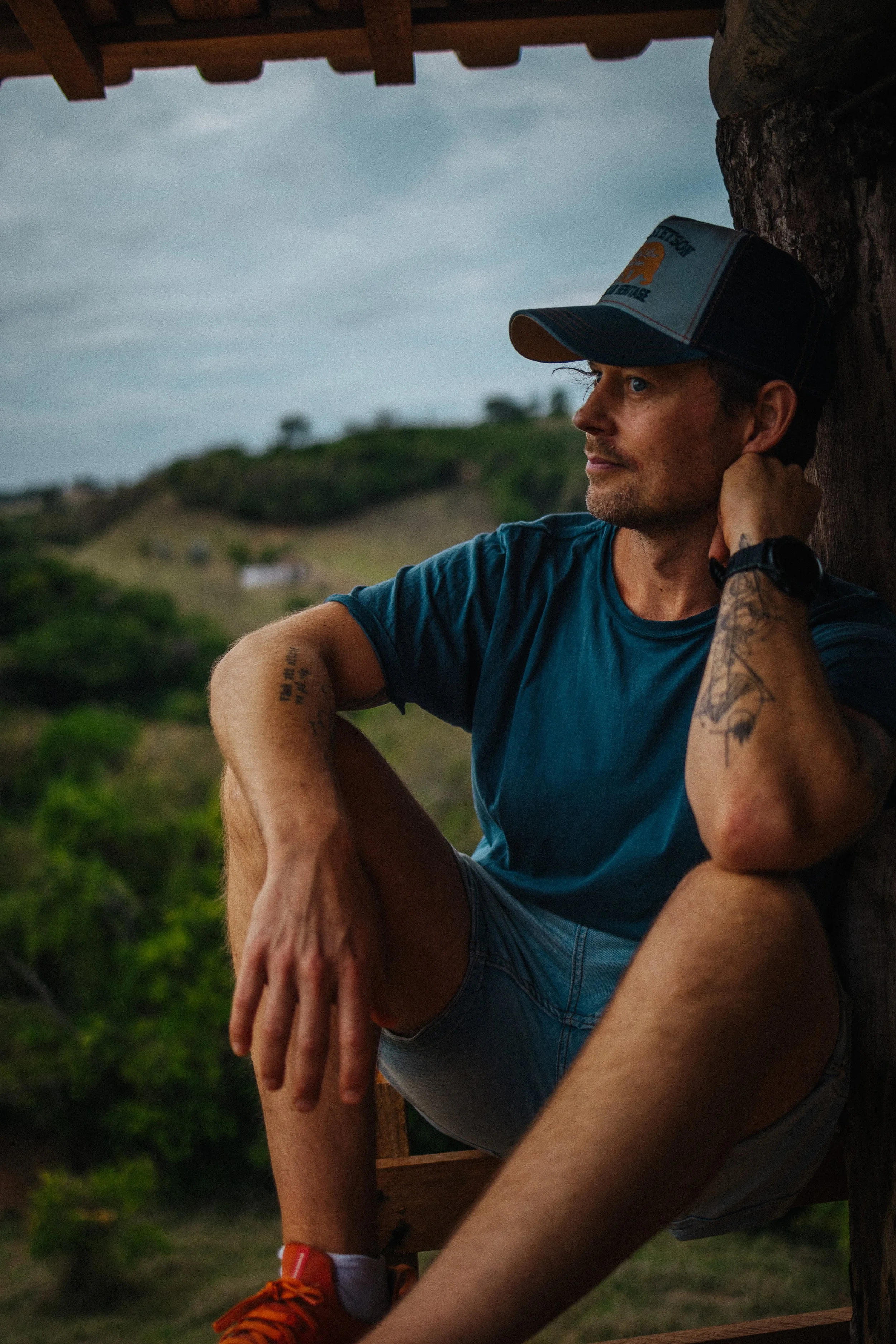
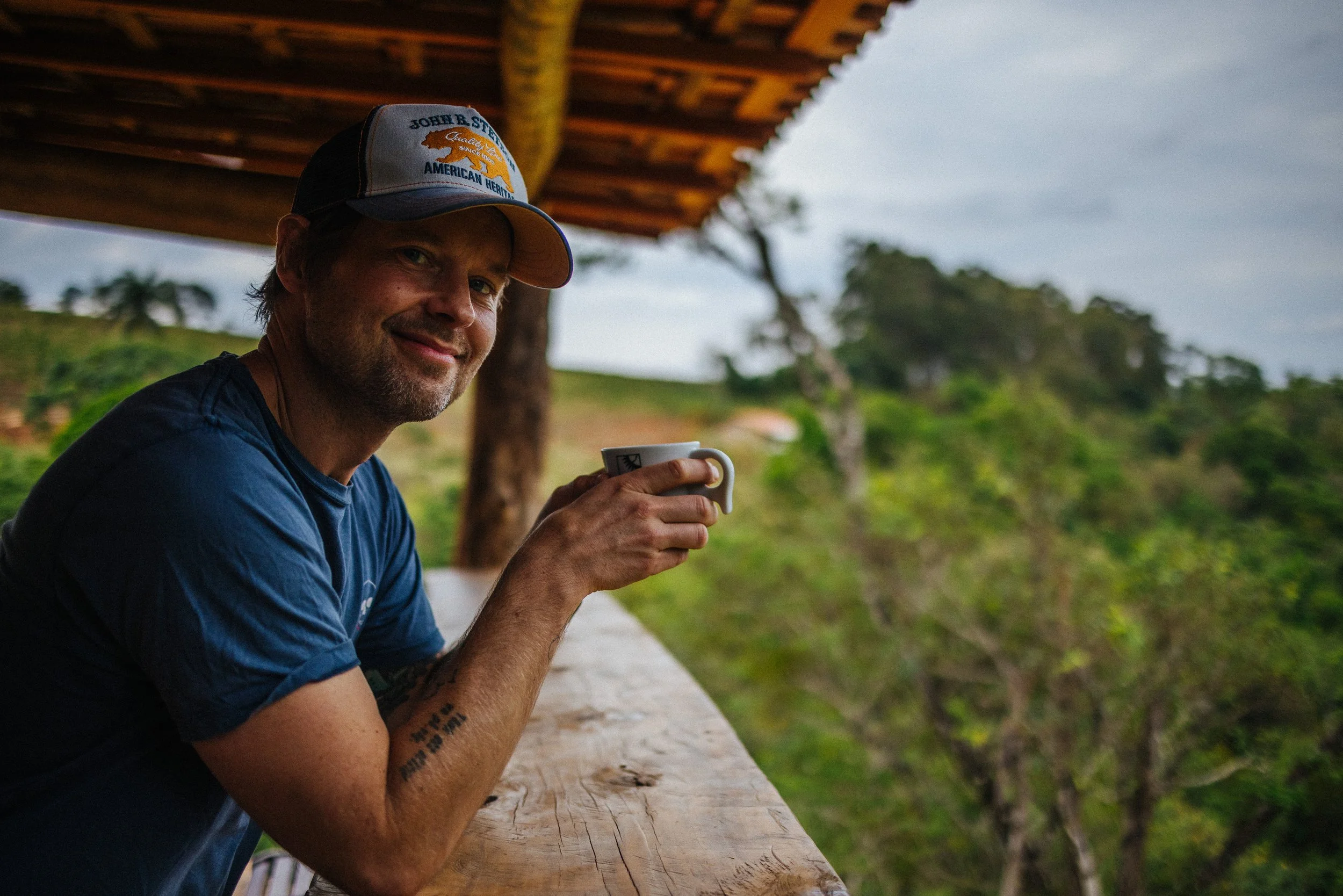
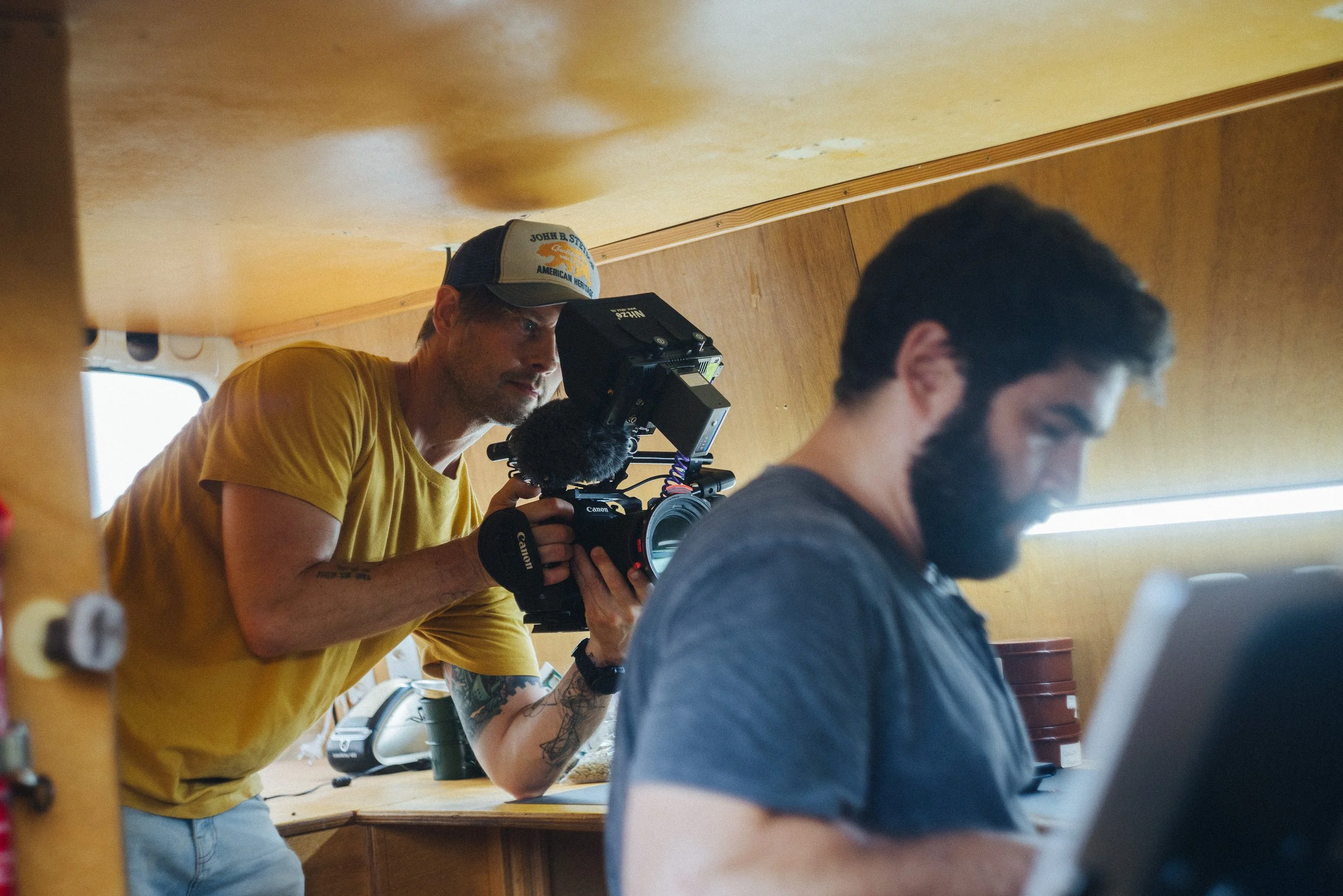
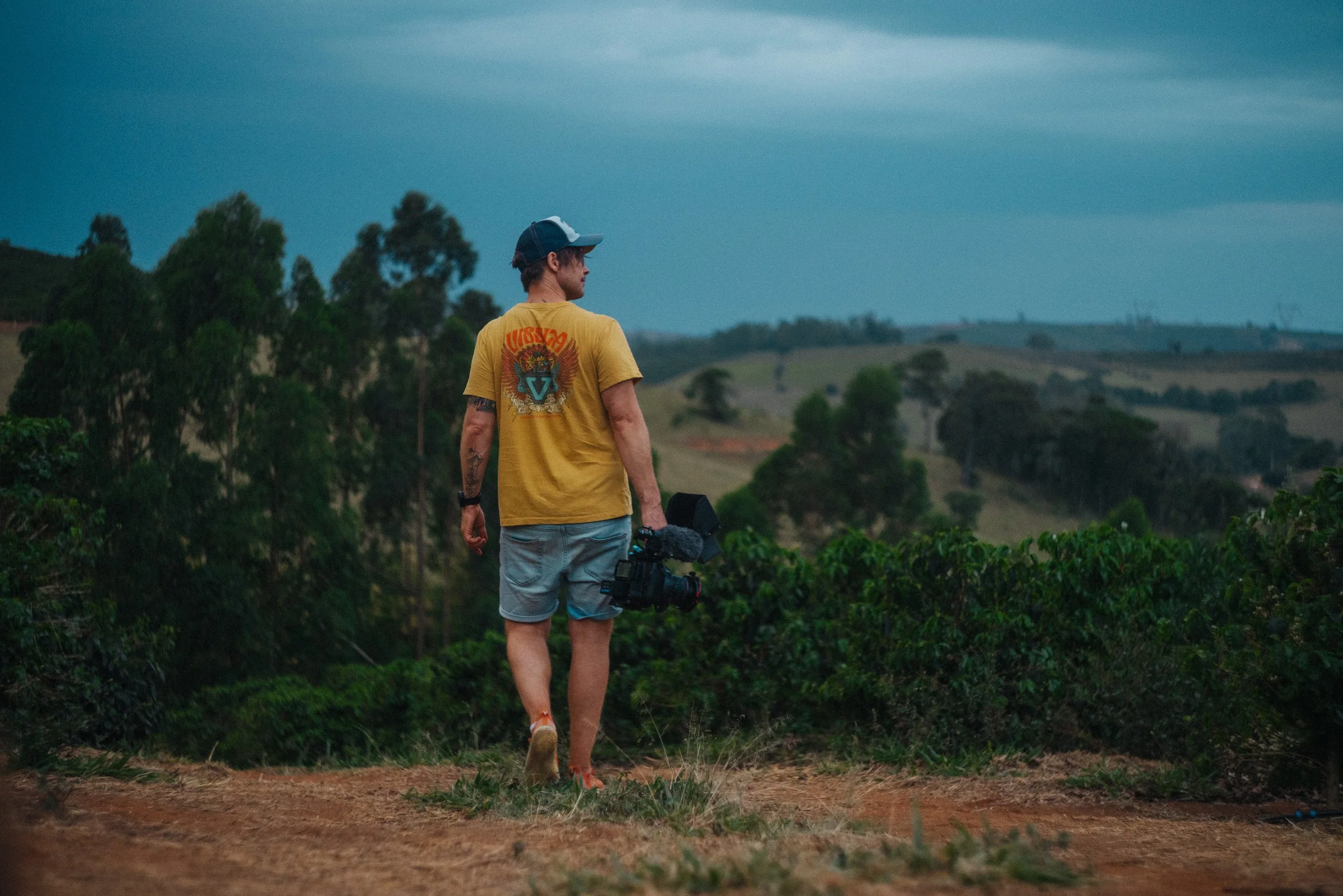
Robin Danehav at a coffee farm in the most magical light
Why I made this documentary
This film sits very close to the reason I started making these documentaries in the first place. I’m interested in people who choose to do something. Not because they can fix everything, but because doing nothing is not an option they can live with.
Felipe is one of those people. He is not standing outside the coffee industry pointing at what is wrong. He is inside it, trying to change it from the farm, the lab, the export business, the roastery and the cup. That makes the story more complicated, but also more useful. Real change usually is complicated.
I don’t think this film gives a complete answer. I don’t think any film can. But I hope it makes the next cup of coffee feel a little less invisible.
Because once you understand even a small part of what sits behind it, coffee stops being just a morning habit. It becomes a relationship. To a place, to a person, to a plant, to a system, and to a future we still have a chance to influence.
Watch the full documentary above.