When I first heard about this project, I thought it sounded ridiculous. Stop a glacier from melting by covering it with a wool blanket?
Then I met Oskar Kihlborg.
The man behind it
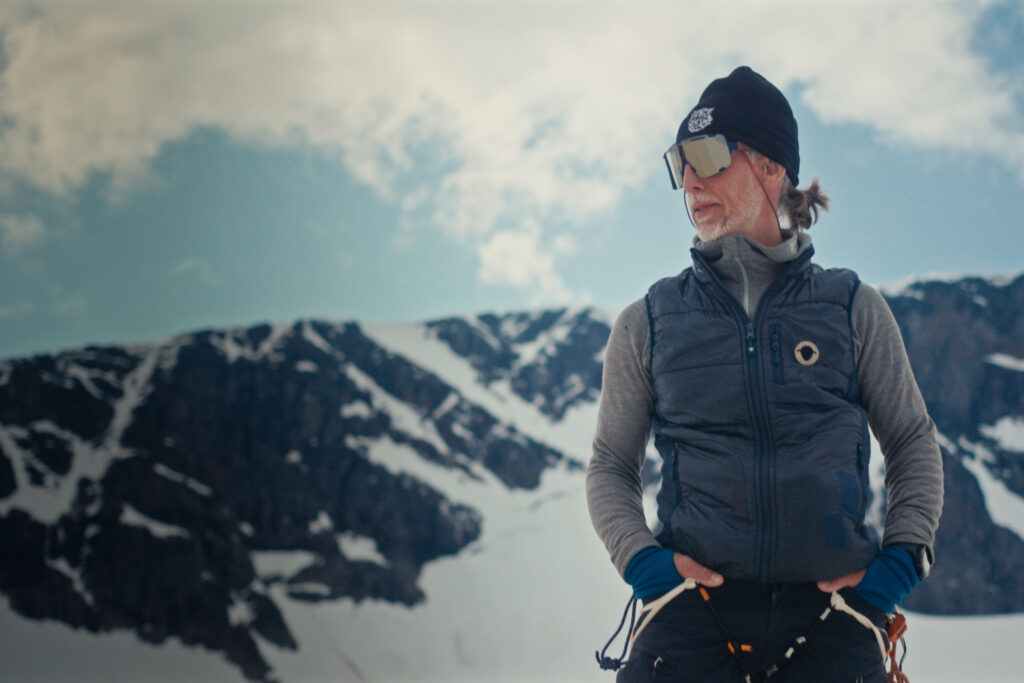
Oskar started climbing at fifteen, with homemade harnesses and a friend's little brother as test dummy. He went on to become the first Swede on the summit of Mount Everest, together with his friend Michael, and in 1994 the first Scandinavian on Lhotse, the fourth highest mountain in the world. In 1996 he became a father, and his climbing mentor Rob Hall died on Everest. He stopped climbing in the Himalayas, but not the adventures.
Years later, Oskar was guiding a group on Kilimanjaro for the seventh time. The glacier at the crater had been there for 11,000 years, and around 80 percent of it has disappeared in the last century. He realised he was flying people there and contributing to the melting. He stopped guiding on Kilimanjaro and came home asking what could be done for Sweden's own glaciers.
The experiment
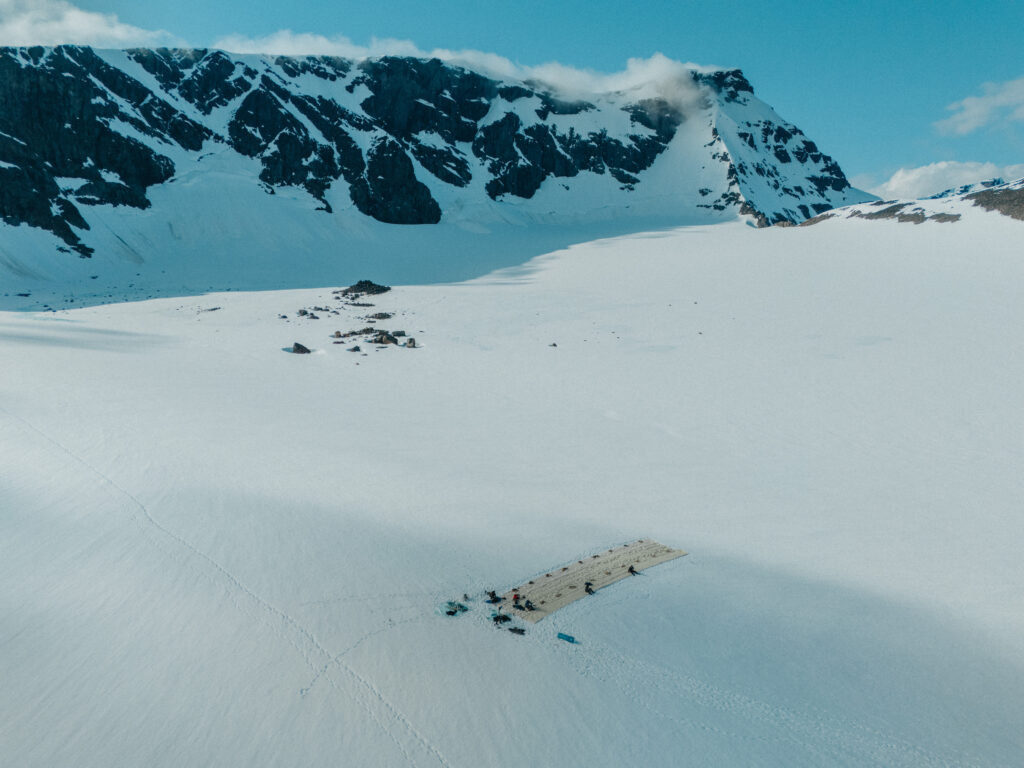
Every year, the team covers around 200 square metres of Björling's glacier on Kebnekaise with wool. In April, six rolls, each 1.5 metres wide, 30 metres long and around 40 kilos, are hauled by snowmobile and an electric winch up to the glacier. In June, they are dragged out, rolled out and stitched together by hand. In September, the team comes back to see how much ice the wool has protected.
The wool comes from Swedish sheep. Sweden throws away around 500 tonnes of wool a year while importing 1,600 tonnes, much of it from Australia and New Zealand. The blankets are pure wool, without plastic, so they can break down.
Covering whole glaciers isn't the idea. Covering critical parts could prevent glacial lakes from forming and bursting, which threatens roads, villages and railways.
The result
When the blanket came off, more than three metres of ice stood where the wool had been. A small iceberg, surrounded by melt.
Oskar was happy and sad at the same time. The wool works. But what he wants to see is zero. In the summer before the film was released, eight of Sweden's 270 glaciers disappeared for good.
We don't own this planet. We borrow it.
Why I made this film
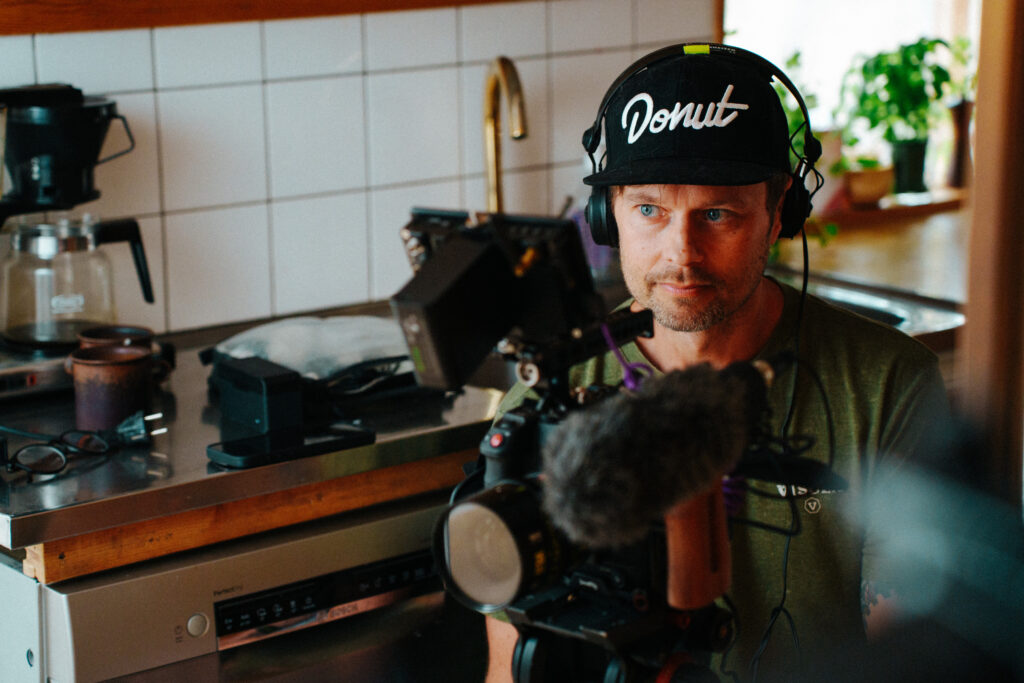
This was the hardest film I have made, physically and mentally. I hadn't skied in over thirty years. I walked 19 kilometres to the mountain station with blisters everywhere, then spent fifteen hours on the glacier. I was close to giving up on the way up. I didn't.
In September, I took a helicopter for that same stretch. For a climate project, I struggled with that decision. But the strain had taken away my ability to film the way I wanted, and I chose to make the film as good as possible.
We are not saving this glacier, at least not directly. But most of us need to see someone else do hard things before we believe we can. If you don't try, you've already lost.
THAW was entirely self-funded. Since the film was released, the project has continued as an association, Glacier Blanket.
THAW was the tenth film in 100 Documentaries. Ten percent done.
Read the original article about THAW.
The question this film answers: what happens if you don't follow the expected path?