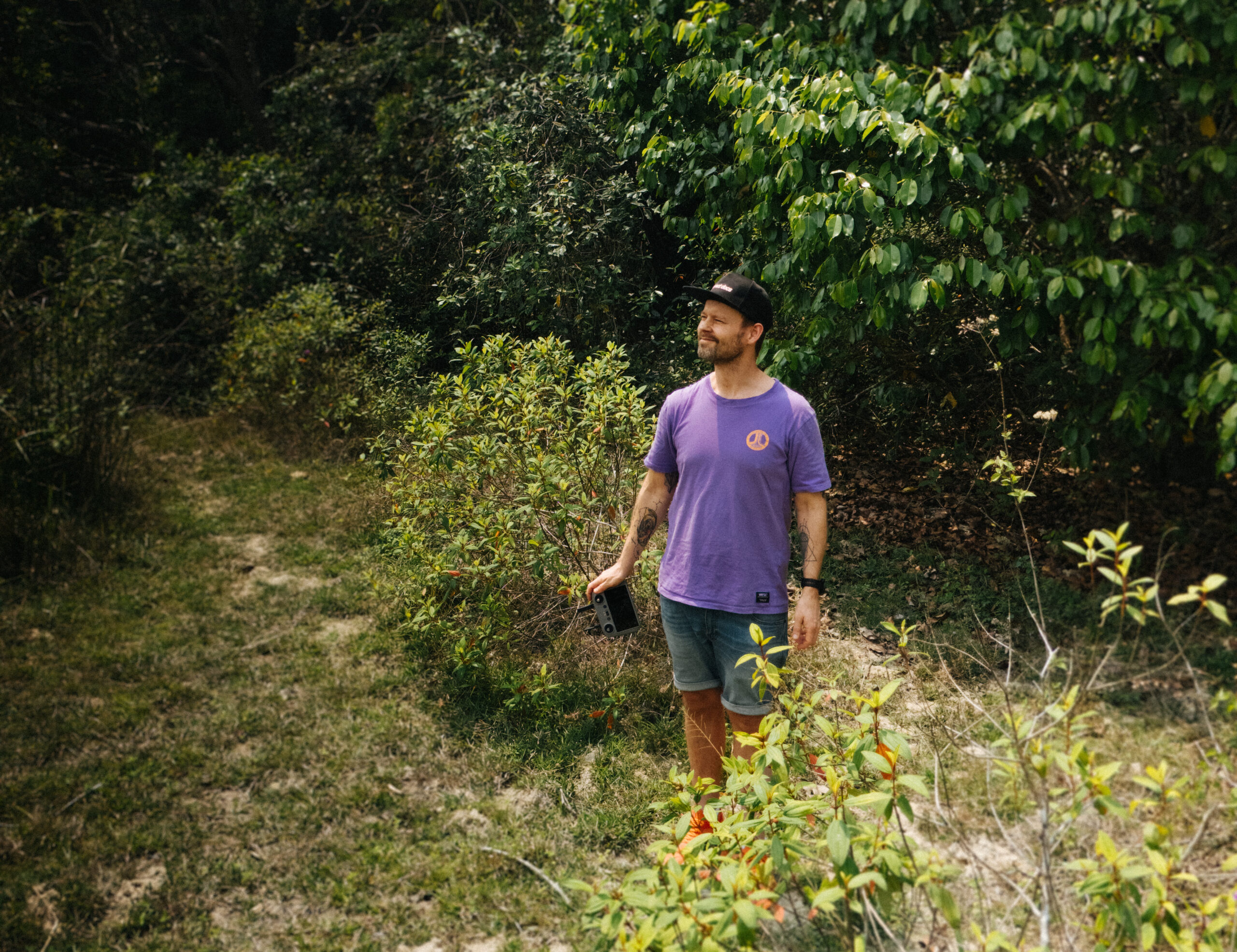
So a week ago we left Bangalore.
Early in the morning, just as the honking symphony out on the street had launched into the second chorus, we repacked into smaller bags and drove south toward Coorg. As we left the city, the landscape slowly changed. Buildings turned into towns, towns into farmland.
Somewhere along the road we stopped for a picnic that turned out to be in the middle of a graveyard. Which, considering the reason for this trip, felt strangely appropriate.
An hour later we stopped to visit Somnathpura temple that I imagined would be an overgrown ruin in the jungle (based on a book at Cookies). Instead it had been fully renovated and transformed into a fully blown and well paved tourist attraction. Cookie argued loudly with the guards about cameras, shoes and rules. Afterwards she calmly explained that she enjoys shouting. Love that!
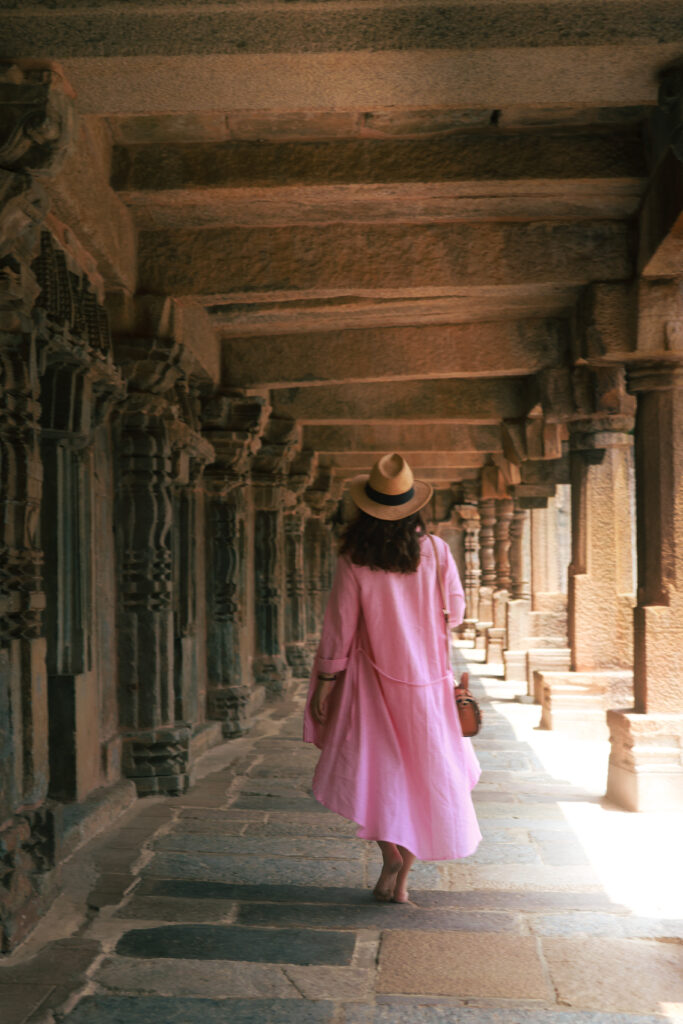
We spent the night in Mysore at a hotel that looked much nicer in the photos than in reality. India has been a lot like that so far. Some things rougher than expected. Other things way more beautiful.
The next morning we stopped at an elephant camp. Watching them getting bathed was incredible, though there’s always a sadness when animals that powerful aren’t free.
Then we continued into Coorg. And suddenly the landscape changed again. Rainforest, misty hills, coffee plantations everywhere. Somewhere in those forests there are wild elephants and tigers which in of itself makes it very exciting.
We stopped at the research field station for NCBS that studies the ecosystems here. The scientist there explained the work they’re doing and how important long-term access to untouched forest is for their research.
Then we went to see the family land.
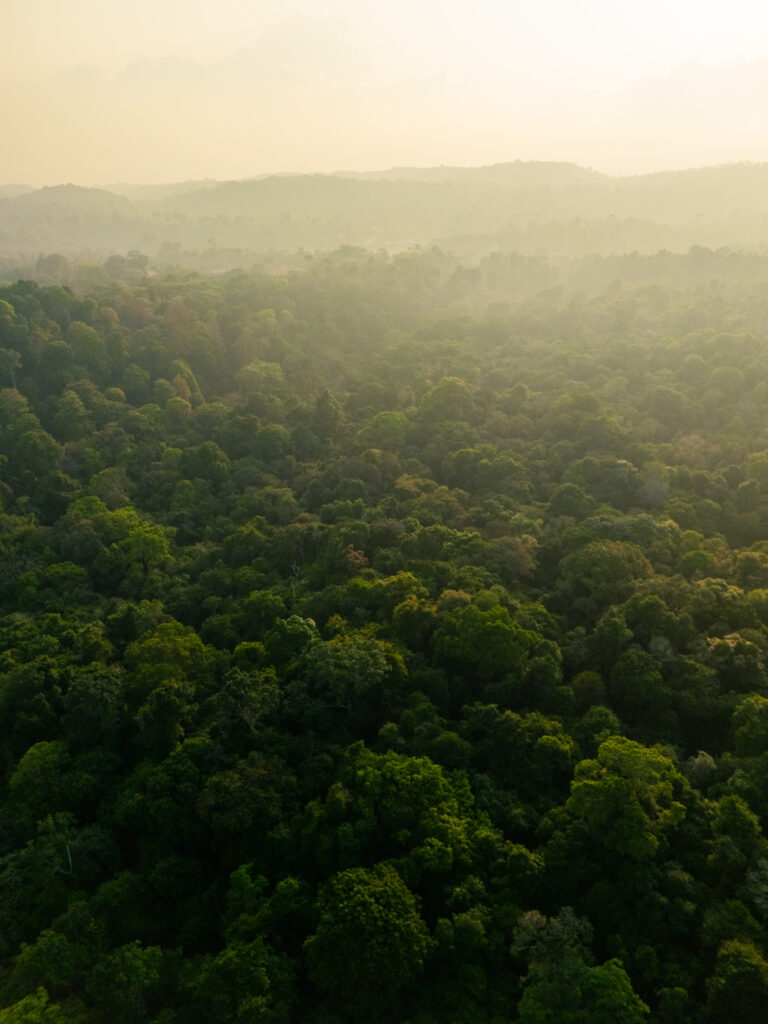
It really is exactly what it sounds like: pristine forest that has never been used by humans. Standing there you understand why the researchers are so grateful that the family has rented it out to them for the next 99 years.
In a way, the family didn’t inherit the land. They inherited the responsibility not to ruin it.
And this seems like a beautiful solution.
But the main reason we came here wasn’t the forest.
The next day we drove through coffee plantations and rough roads to a river where Mira and Max spread the ashes of their parents.
I filmed it from a distance for relatives who couldn’t come, but mostly I just stood there. Some moments don’t really belong to a camera.
Afterwards we sat in the garden of relatives who live nearby. People in their eighties and nineties telling stories from lives that stretch across continents and decades.
That’s something I’ve noticed everywhere here.
Stories. Food. More stories. Endless hospitality.
At some point during these days something interesting started happening to me.
Travel like this strips things down.
Too little sleep. Many hours in cars. So many impressions.
Eventually my brain stops trying to understand everything.
I just drink the tea, listen to the stories, walk into the forest. Go with the flow and trust it will all make sense in the end.
And that’s when travel actually starts working. Not when you understand everything, but when you stop trying.
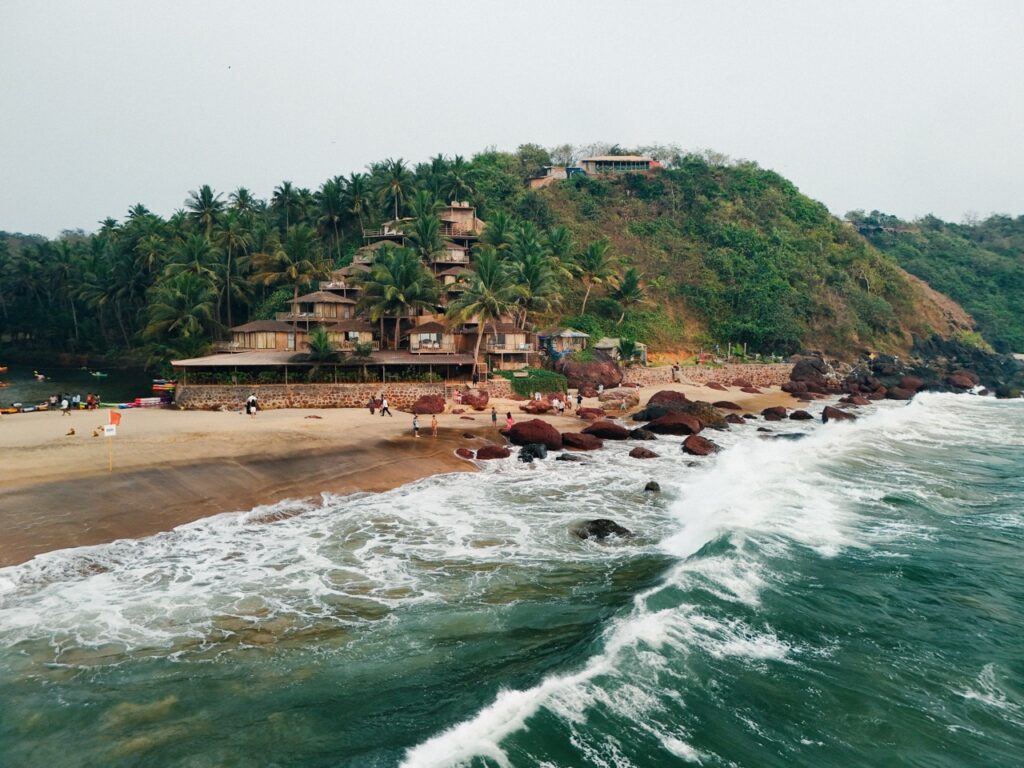
I’m writing this now from Goa, sitting by the ocean after the intensity of the last week.
My middle school teacher might have been right:
India doesn’t really ask for your opinion. It just runs you over with life. But coming here and experiencing it in this way makes me proud, happy and grateful at the same time as totally overwhelmed.
It doesn’t matter which stone you turn here, new stories pops up everywhere.
And since I’m usually never really traveling without a camera… There might be a film metabolizing in this experience too. We’ll know soon.
More to come soon. Make sure you subscribe to miss-proof it 🙂
Originally published on Substack on 17 March 2026. Subscribe there to get new posts by email.