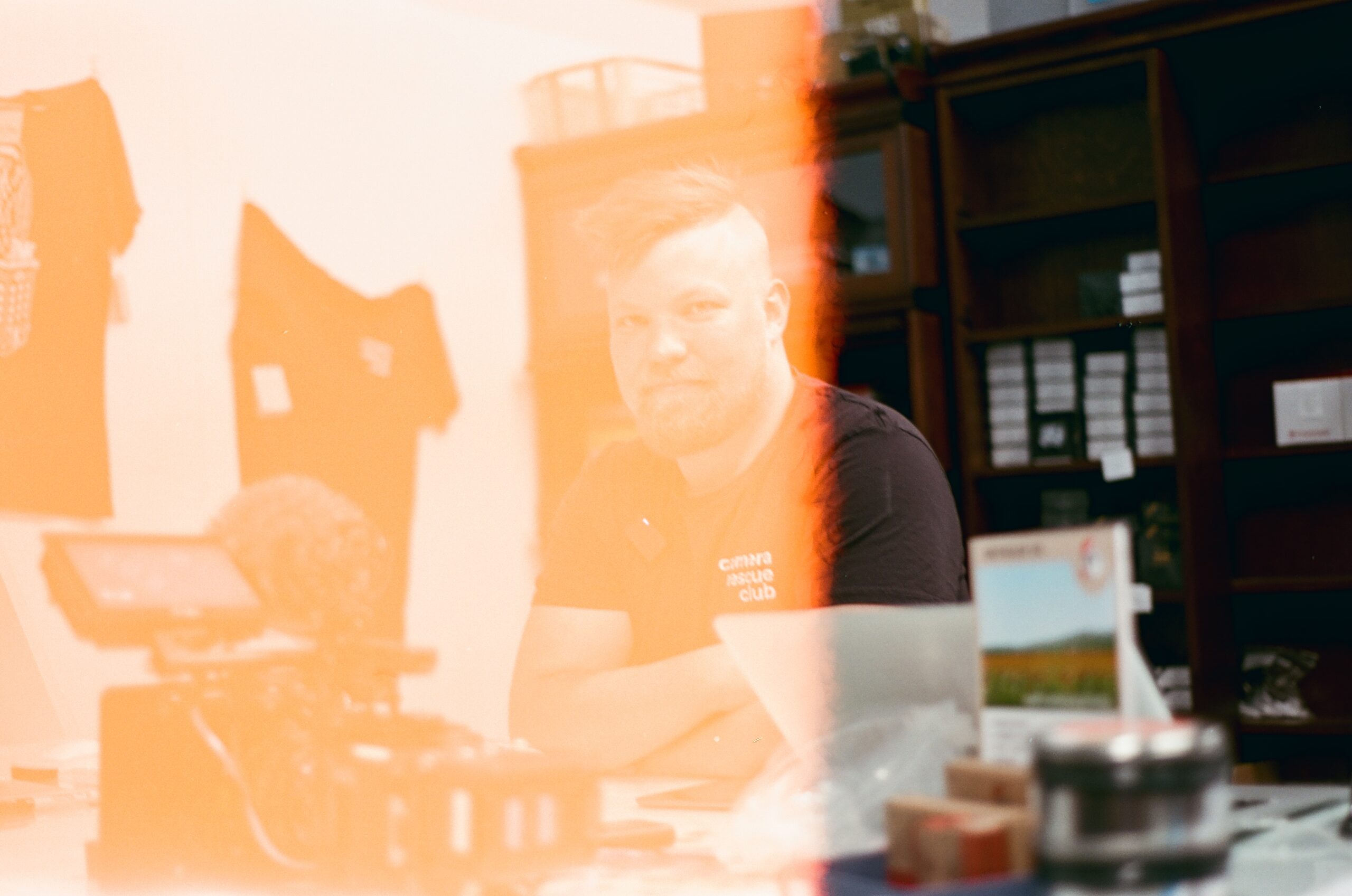
In May last year I released a film about a magical place in Tampere, Finland, called Kamerastore. It’s a building full of old cameras and lenses.
The story in this film is deeply personal about the meaning of memories, but it is also carrying a lot of knowledge about old analog cameras.
I remember I was struggling with how to package it. For any non-youtubers reading this, the packaging is the thumbnail, title and description that you give the film, and how it’s done is make-it-or-break-it for anything you decide to publish. Some people even stress this as more important than the actual video you have made. I hear them but I refuse to believe that 🙂
So being all confused, I made a thumbnail and a title that focused on cameras.
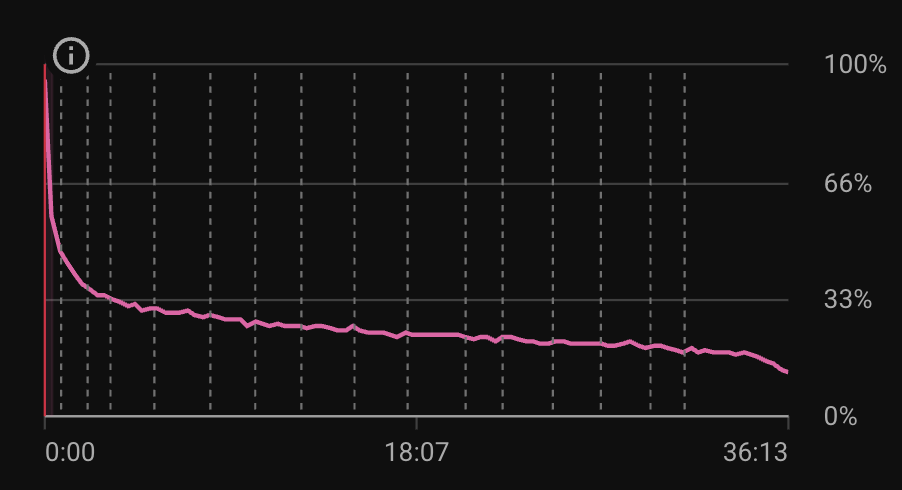
YouTube took me at my word. It showed the film to people who watch gear reviews, comparisons and lens tests. Those viewers clicked and expected specs, but they got a story about memory and repair. And left.
The people who would have loved the film never saw it, because I had told YouTube it was for someone else.
What the film is actually about
On the surface it’s about Kamerastore and the Camera Rescue project. Juho Leppänen started the company in his living room the same week he got married (Not very popular with his wife). It’s a crazy number, but there are roughly a hundred million film cameras in Europe lying around in attics, basements and random boxes. And they can be repaired, as long as someone keeps the knowledge on how to do that alive.
What stayed with me from the trip had less to do with cameras. Juho told me that the freedom to take unlimited photos has destroyed the meaning of a photo. He also described a lost decade: roughly 2003 to 2013, before cloud storage, when our photos went onto old Nokias, dead hard drives and DVDs we can no longer play. A whole decade of memories is already hard to reach.
So the film is about why we keep things. It covers memories, repair skills, and the idea that a product can be built to last a hundred years instead of five. None of that fit into a gear-review thumbnail.
The irony
Making this film taught me that when you can capture everything, you stop choosing what matters. Then, when it came to packaging, I didn't choose either. I went with the most obvious angle instead of deciding what the film actually was.
You’re packaging for two audiences now
What I failed to understand when I first uploaded this film (actually most of my films) is that my title and thumbnail aren’t only talking to people. They are also telling YouTube who to show the film to.
YouTube doesn’t read a title word by word anymore. If you do a search on YouTube you get maybe three literal search results, the rest are algorithmic recommendations (This is super annoying when trying to find something specific).
What it does is it tries to work out what a video is about and who it’s for, and then it tests that guess on a small audience.
My packaging told it: gear review, film vs digital, specs. So it showed the film to people who watch gear reviews. They clicked expecting camera talk, found a slow story about memory and repair, and left. YouTube read that as “this isn’t a good video” when the truth was “this isn’t a video for these people.”
And that’s why the film, which I’m really proud of sits stale at 3700 views.
The film actually never got a fair test with the right audience, because I’d described it wrongly.
So I stopped asking which words people search for. Or what thumbnail will drive clicks. Or what title is enticing enough.
Now I ask what the film is actually about and whether everything around it says that clearly: the title, the thumbnail, the description and the chapters.
And there is a delicate balance here. Because if you optimize it too much for humans, the Youtube AI might interpret it all wrong. But if you optimize it too much for the Youtube AI, humans will never care about it. The only thing I've found that works for both is telling the truth about what the film actually is, and making it interesting enough that someone wants to find out more.
This matters most for documentary makers. Our films are about meaning, not specs. For years the advice has been to translate them into whatever gets clicks, and I did exactly that. It got me clicks from the wrong people, which turned out to be worse than no clicks.
What I changed
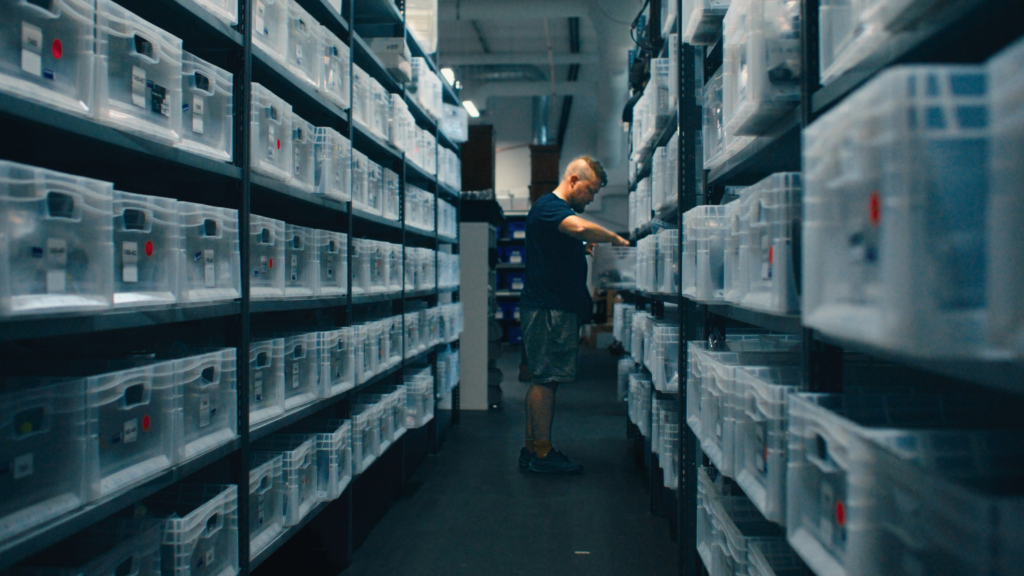
The new title is The Warehouse Saving the World’s Forgotten Memories. The new thumbnail has no text at all. It shows Juho alone in an aisle of shelves stacked with plastic boxes, each one a rescued camera waiting to be tested. To me it feels like an archive: quiet, a little melancholy, and still in use. That’s the tone of the film.
I also rewrote the description to explain what the film is about in plain language instead of listing keywords.
I’ll report back in a few weeks on whether all of this worked 🙂
Where this is heading
YouTube is already testing a search feature in the US called Ask YouTube, where you type a whole question instead of a few keywords and an AI picks videos that answer it.
I haven’t tried it, since it isn’t available in Sweden yet. If it spreads, the gap between packaging for keywords and packaging for meaning will only grow. A film about why our family photos are disappearing could reach someone who has never typed “film photography” in their life. I’d rather be ready for that.
If you skipped this one the first time, it might not have looked like it was for you. It probably is.
Let me know your thoughts.
Originally published on Substack on 23 September 2026. Subscribe there to get new posts by email.